Wall Outlet Height Guide: Placement for Lighting | Lighting New York
The Definitive Guide to Wall Outlet Height for Lighting
The Problem: Getting Your Lighting Right
Imagine this: You've finally found the perfect sconces to flank your bathroom mirror, or the ideal reading lights for your bedroom. You eagerly install them, only to realize the electrical outlet is either glaringly obvious, hidden behind the fixture, or just plain awkward. Suddenly, your carefully planned design feels…off. You're not alone. Many homeowners and even seasoned contractors struggle with finding the optimal placement for electrical outlets, especially when it comes to lighting. This guide will help you avoid common mistakes and achieve a professionally lit space.
Our Solution: A Simple Guide to Outlet Placement
We understand the frustration of dealing with poorly placed outlets. That's why we've created this guide to provide clarity on the standard heights and best practices for installing electrical outlets specifically for lighting fixtures. Whether you're renovating your entire home or simply adding a new sconce, understanding these guidelines will save you time, money, and a whole lot of headaches. Think of this guide as your roadmap to perfectly positioned outlets, ensuring your lighting enhances, rather than detracts from, your space.
Understanding Standard Heights
While there's no one-size-fits-all answer, there are generally accepted standard heights for electrical outlets. The typical recommendation is to install outlets approximately 12 inches from the floor. However, this standard often doesn't apply to lighting. The ideal placement for outlets powering sconces, vanity lights, or other fixtures depends on the fixture type, its intended use, and the overall aesthetic you're trying to achieve. Let's delve into some specific scenarios.
Specific Scenarios & Solutions
Different rooms and lighting types require different approaches. Here's a breakdown of common situations and the recommended outlet placements:
Bathroom Vanity Lighting: For vanity lights, the electrical outlet is usually positioned above the countertop. A common height is around 75-80 inches from the floor, depending on the height of the mirror and the style of the vanity light fixture. This placement keeps the outlet concealed behind the fixture and provides easy access for wiring.
Sconces: The placement for sconces can vary quite a bit. For standard wall outlet height for sconces, a height of 60-72 inches from the floor is a good starting point. However, consider the style of the sconce. For example, a farmhouse wall outlet height may be slightly lower to complement the rustic aesthetic. The recommended wall outlet height for sconces in a hallway might be higher than in a bedroom.
Bedroom Lighting: For reading lights mounted on either side of a bed, the placement should be convenient for someone sitting in bed. A common height is 48-60 inches from the floor. Consider adjustable wall outlet height if you are using swing arm lamps.
Kitchen Lighting: Outlets above kitchen counters are typically placed 42-48 inches above the floor. In some cases, wall outlet height above kitchen counter will be determined by the height of the backsplash. For under-cabinet LED lights, you may need an outlet inside the cabinet, near the top.
Avoiding Failure: Key Considerations
Beyond standard heights, several other factors influence optimal outlet placement. Failing to consider these elements can lead to frustrating results.
ADA Compliance: Ensure compliance with the Americans with Disabilities Act (ADA) if required. ADA compliant wall outlet height typically specifies a maximum height of 48 inches from the floor for accessibility.
Fixture Style: Consider the style of your lighting fixtures. Modern wall outlet height might be different than traditional height. Decorative wall outlet height may be lower to show off unique outlets.
Functionality: Think about the functionality you need. Do you need a wall outlet height with a dimmer or a wall outlet height with a USB port?
Future-Proofing: Consider adding extra outlets or circuits during renovations. This provides flexibility for future lighting upgrades or changes in furniture arrangement. Think about a wall outlet height with a shelf.
Aesthetics: Ensure the outlet placement complements the overall design of the room. Consider the surrounding décor and the visual impact of the outlets. Think about the wall outlet height for mirror placement.
Professional Advice: If you're unsure about the best placement, consult with a qualified electrician or interior designer. They can provide expert guidance tailored to your specific needs and ensure that your electrical work meets all safety codes. Wall outlet height for track lighting, art lighting, or pendant lights can be tricky, so professional advice is invaluable.
By carefully considering these factors and following the guidelines outlined above, you can achieve perfectly positioned outlets that enhance the beauty and functionality of your lighting.

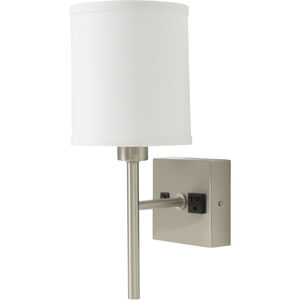
House of Troy
Commonly Asked Questions About Wall Lights Wall Lights wall outlet height
Q: Why is the standard wall outlet height beneficial for my home decor?
A: The standard height placement allows for a clean and consistent look throughout your home, letting your beautiful lighting fixtures and other decor elements truly shine without visual clutter or awkward placement. It creates a sense of order and flow, enhancing the overall aesthetic.
Q: How does a consistent wall outlet height contribute to the functionality of my lighting?
A: A uniform height makes it easy to place lamps and other lighting fixtures wherever you desire, without worrying about reaching outlets. It provides flexibility in arranging your furniture and lighting, allowing you to create the perfect ambiance in any room.
Q: What advantages does the typical wall outlet height offer for everyday convenience?
A: The established height makes it comfortable and easy to access outlets for plugging in your favorite decor pieces, charging devices, and powering other essentials. It allows for simple operation of your devices.
Q: How does standard outlet placement contribute to the overall appeal of my design choices?
A: Having outlets placed at a standard height helps them blend seamlessly into the background, letting your carefully chosen decor items, like stunning wall sconces and accent lights, take center stage and capture the attention they deserve!
Q: How can I ensure my outlets are at the ideal height to maximize the impact of my lighting and decor?
A: Consult with a qualified electrician to ensure your outlets are positioned perfectly. A professional can ensure your home's electrical setup is both safe and aesthetically pleasing, allowing you to showcase your style with confidence!