


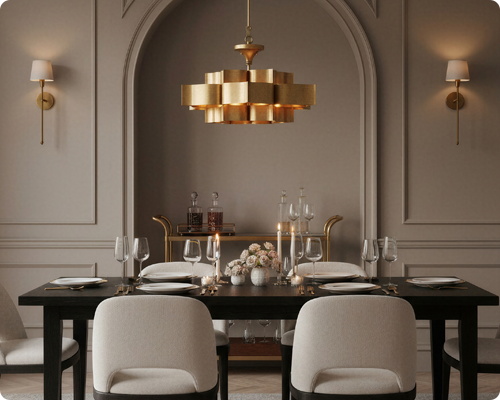
The Dining Room Takes Center Stage
Dining rooms are taking on renewed importance as flexible gathering spaces. The fixture should create intimacy at the table while leaving food, faces, and the room beyond comfortably visible.
Getting Started
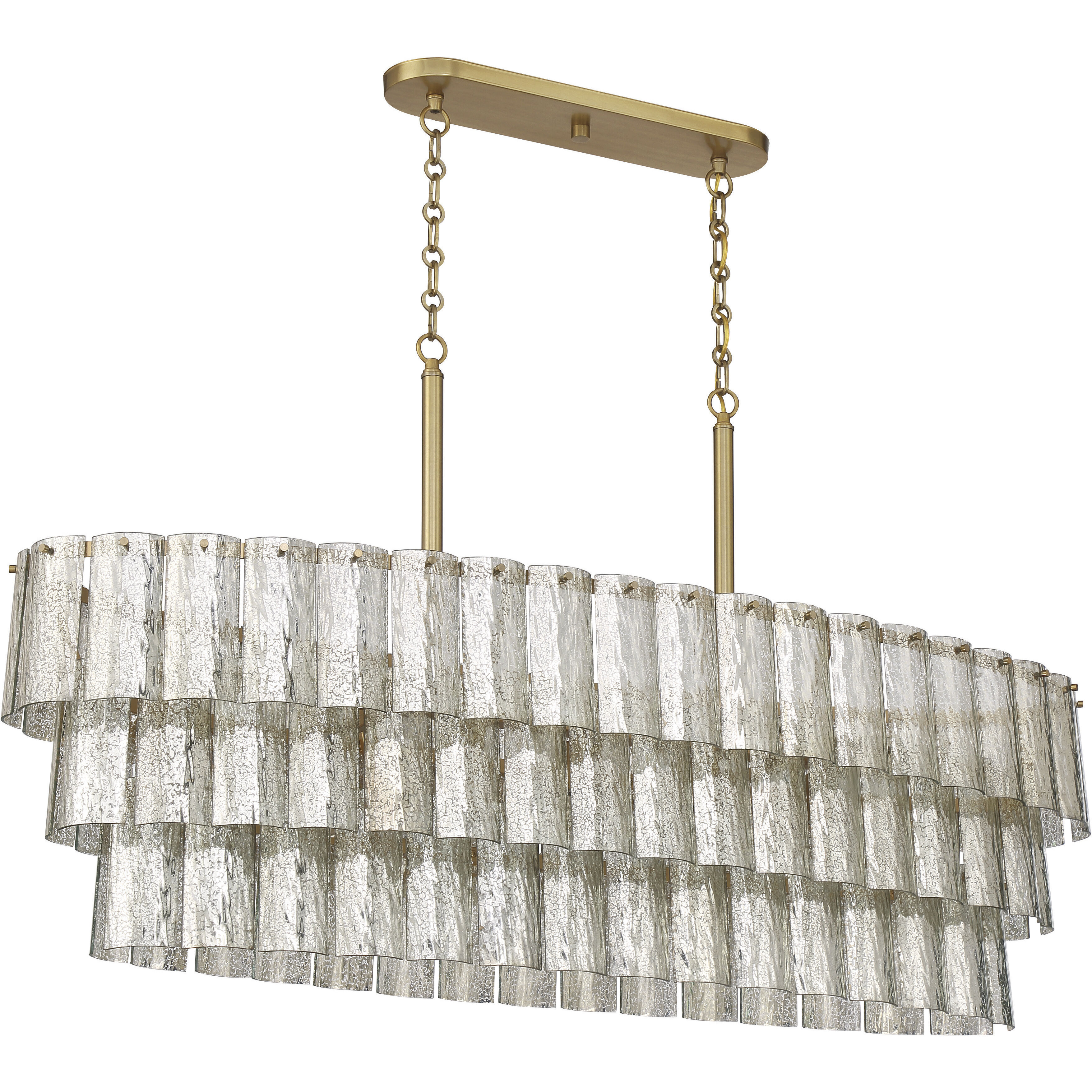
Match fixture geometry to the table zone: round or branching forms suit many round tables, while linear fixtures or grouped pendants can follow a long rectangular table. Always verify exact dimensions and hanging clearance in the room.
Expert Tips
- Center the fixture on the table, even when the table is not centered in the room.
- Use dimming to move from serving brightness to a softer after-dinner atmosphere.
- Choose shades or lamp positions that keep bright sources out of seated sightlines.
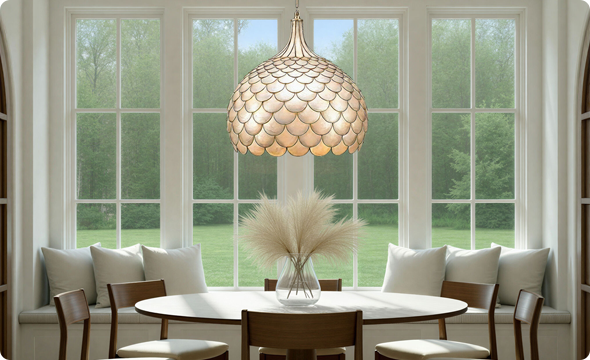
Let the Table Set the Proportions
Measure the tabletop and note how much visual breathing room you want at each side. A fixture that is too narrow can feel disconnected; one that extends too close to the table edge may crowd place settings and views. For extendable tables, size to the arrangement used most often.
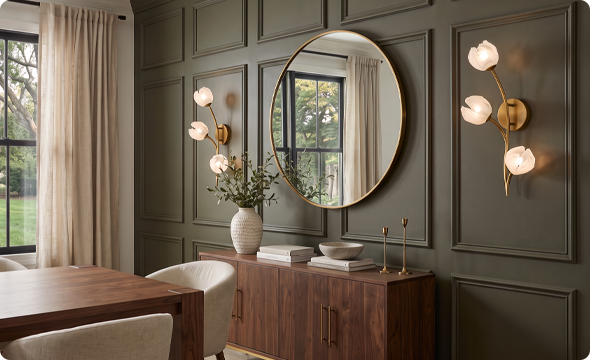
Layer Beyond the Centerpiece
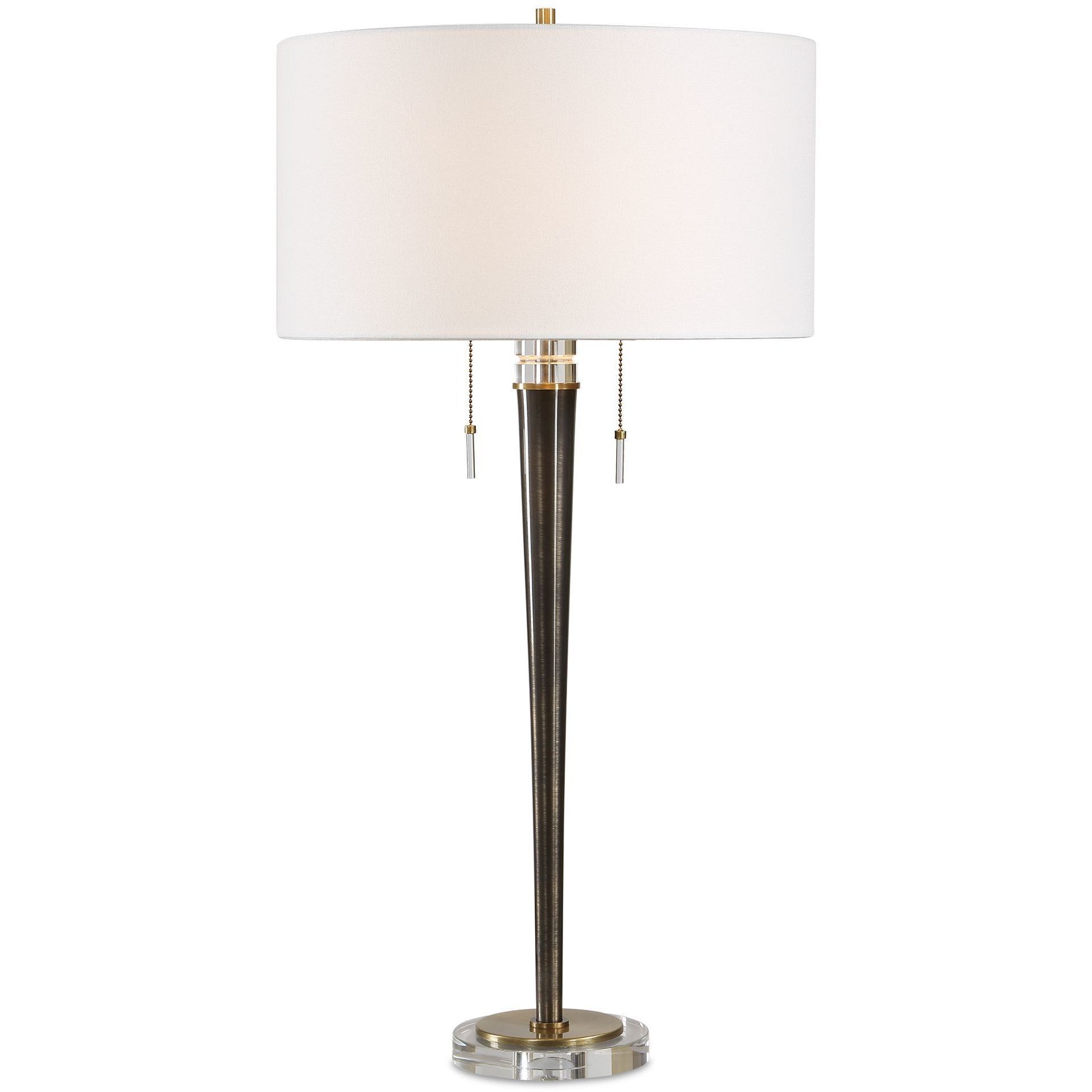
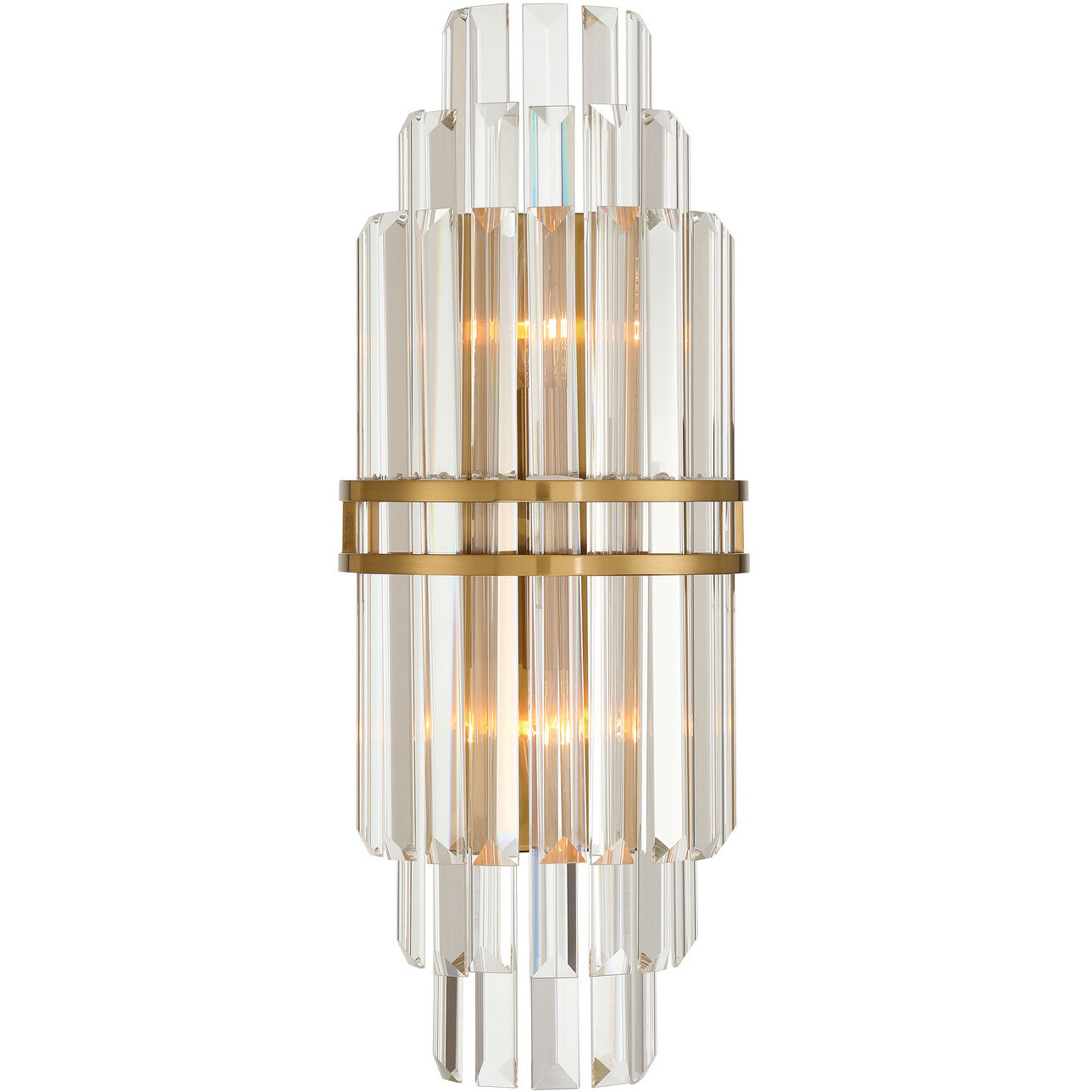
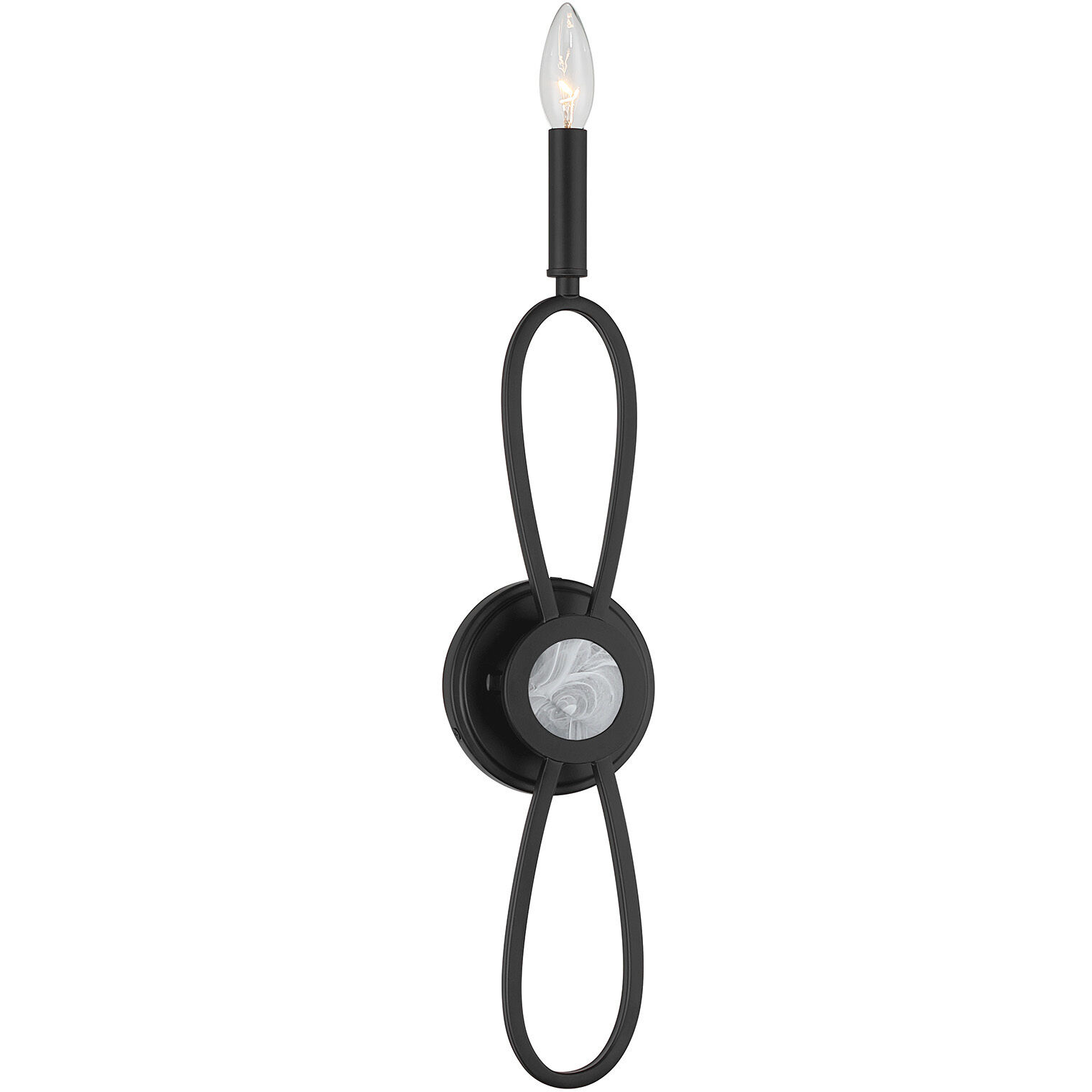
LoA chandelier creates the focal point, but a buffet lamp, wall sconce, or picture light adds depth around the perimeter. This secondary layer keeps the dining room from becoming a bright island surrounded by dark walls.
Frequently Asked Questions
Q: Should a dining chandelier be centered in the room or over the table?
A: Center it over the table so the lighting and furniture read as one zone.
Q: Is a linear chandelier only for rectangular tables?
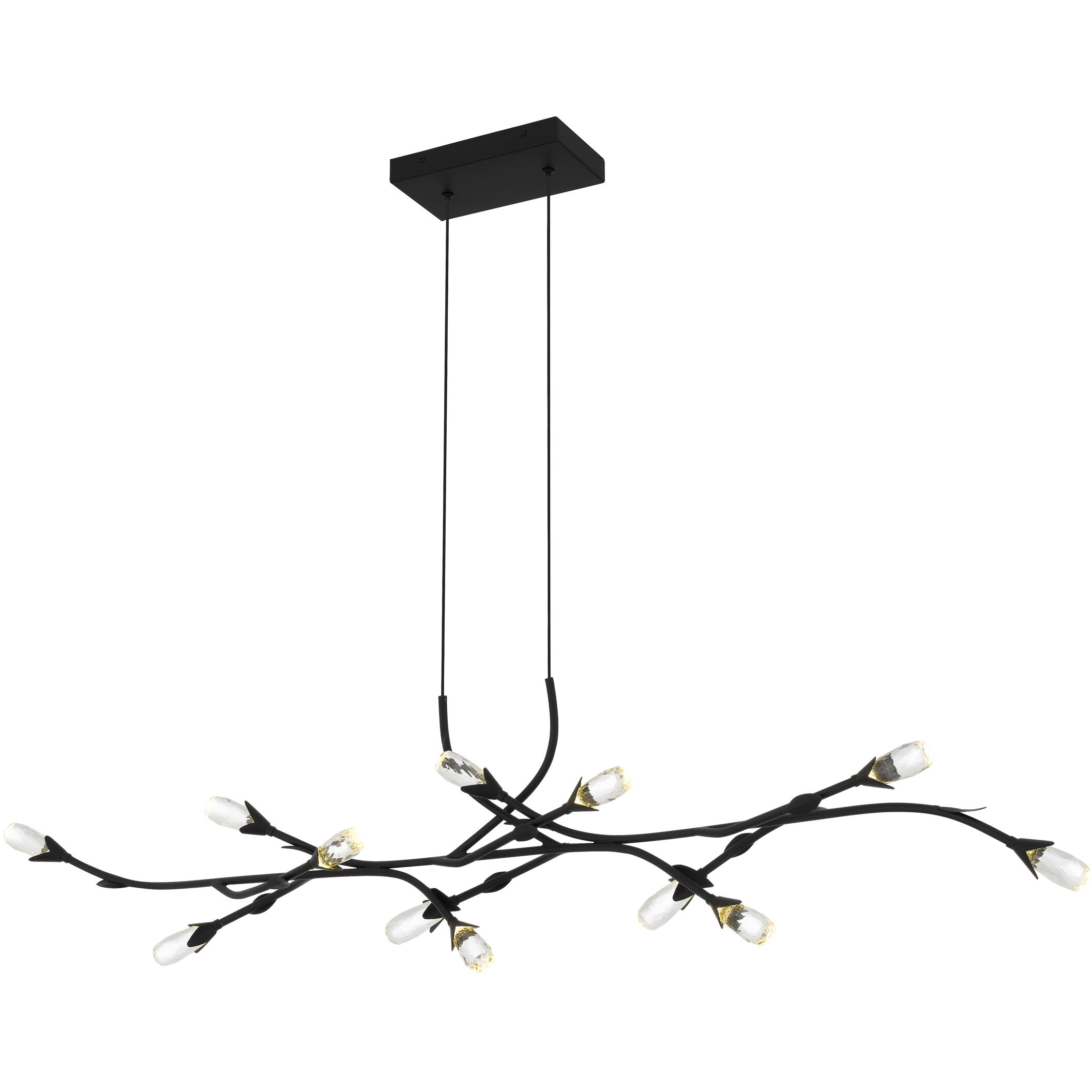
A: It is most naturally aligned with rectangular tables and islands, but final fit depends on scale, room geometry, and the fixture's visual weight.
Top Recommendations
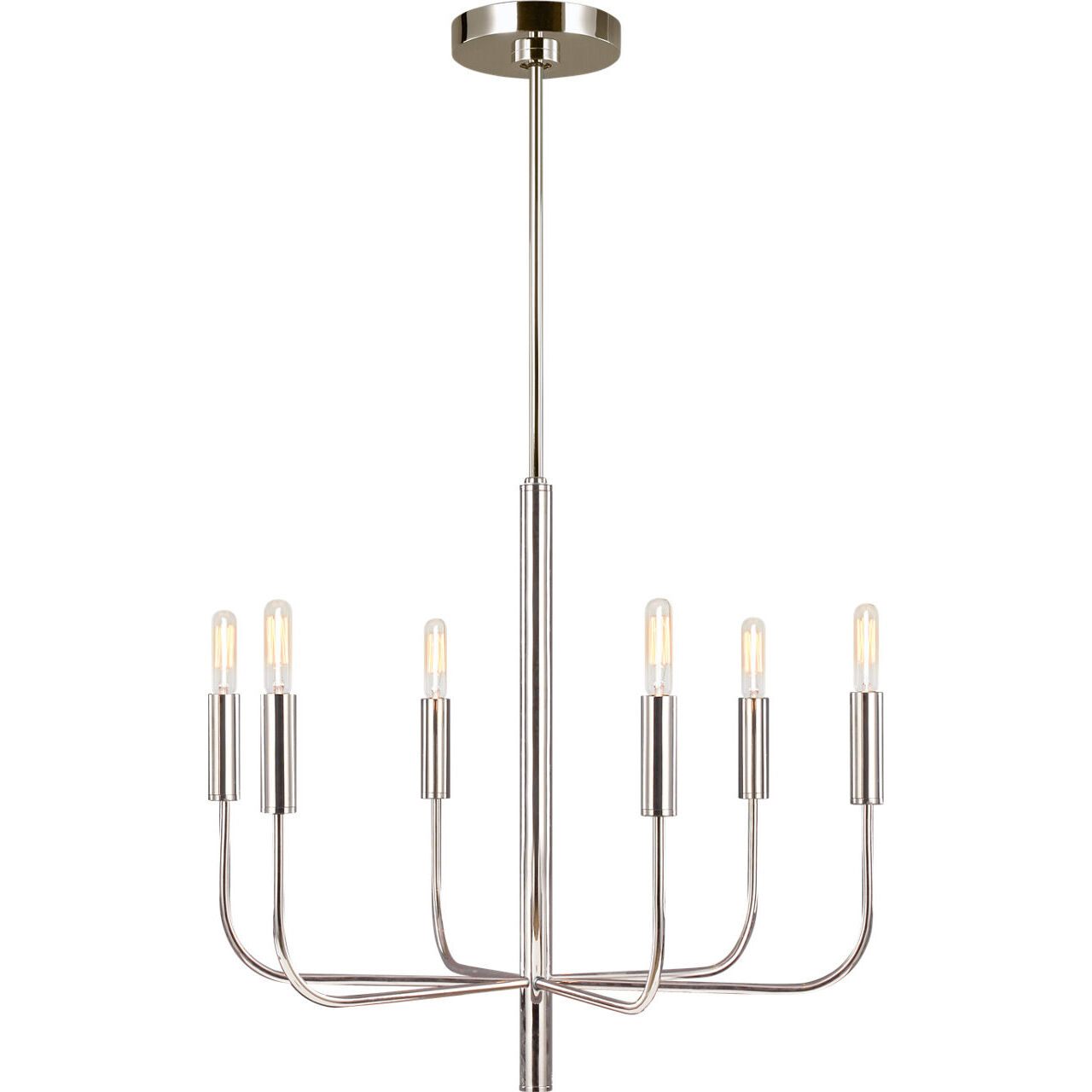




Shop More Designs

Justice Design

Justice Design

Justice Design

Justice Design

Justice Design

Justice Design


Innovations Lighting

Justice Design

Justice Design

Justice Design
Justice Design

Justice Design

Arroyo Craftsman

Justice Design

Capital Lighting

Justice Design

Justice Design

Justice Design


Arroyo Craftsman

Justice Design

Arroyo Craftsman

Arroyo Craftsman