


How Designers Turn Pinterest Inspiration into Real Lighting Specifications
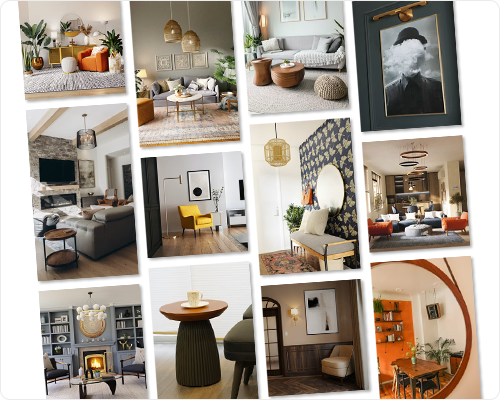
Pinterest has changed the way people dream about their homes. A client can scroll for ten minutes and suddenly arrive at a meeting with a phone full of stunning kitchens, dramatic dining rooms, and glowing bathrooms. Sound familiar?
For interior designers, these images can be both helpful and challenging. On one hand, Pinterest helps clients show what they love. On the other hand, those photos rarely include the real lighting details needed to bring the idea to life.
The truth is simple: a beautiful photo is inspiration, but a real lighting plan requires specification.
Professional designers bridge that gap every day. They take a client's inspiration and translate it into fixtures, layouts, and lighting layers that actually work in a real space.
Let’s walk through the practical workflow designers use to turn Pinterest inspiration into real lighting specifications.
Why Pinterest Has Changed the Design Process
Not long ago, clients relied on magazines or showroom visits to explore ideas. Today, almost every client arrives with a digital mood board.
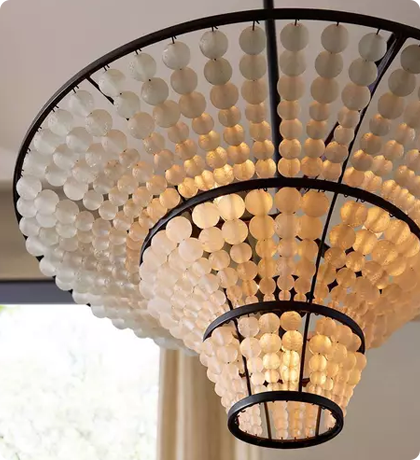
Pinterest images often show:
- Dramatic pendant lighting
- Statement chandeliers
- Layered wall sconces
- Hidden accent lighting
- Glowing under-cabinet fixtures
But those images rarely show the details that matter most:
- Fixture dimensions
- Mounting heights
- Bulb types and brightness
- Wiring requirements
- Ceiling height considerations
Think of a Pinterest photo like a movie poster. It shows the feeling and the atmosphere, but it doesn’t tell the whole story. A designer’s job is to take that poster and turn it into the full production plan.
Step 1: Identify the Lighting Story in the Image
Before choosing a fixture, experienced designers study the inspiration image carefully.
They ask simple but important questions:
- What type of light is doing the work?
- Is the light decorative, functional, or both?
- Where is the light coming from?
- Is the space using one fixture or multiple layers?
A single Pinterest image may actually contain three or four lighting sources.
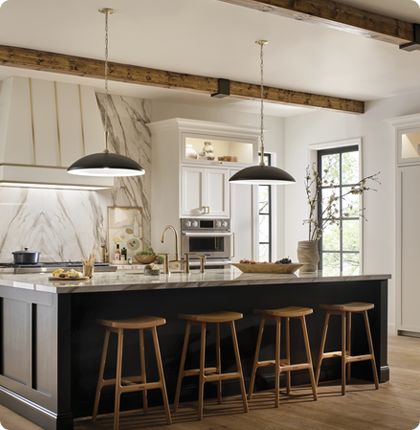
For example, a kitchen image might include:
- Pendant lights over the island
- Recessed ceiling lights
- Under-cabinet lighting
- Accent lighting in glass cabinets
At first glance, a client may say, “I love that pendant.” But what they actually love is the combined lighting effect. This is where designers start guiding the conversation.
Step 2: Translate Style into Fixture Categories
Once the lighting elements are identified, designers convert them into real product categories.
Pinterest rarely labels fixtures. A client might simply say: “I want this light.” But the designer sees something more specific.
For example:

Pinterest Inspiration:
Large Kitchen Pendant
Real Fixture Category:
Oversized Island Pendant
Pinterest Inspiration:
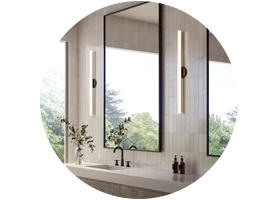
Slim Vertical Wall Light
Real Fixture Category:
Modern Wall Sconce
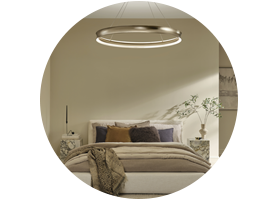
Pinterest Inspiration:
Gold Ring Light
Real Fixture Category:
LED Chandelier
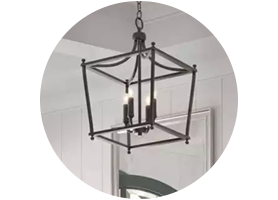
Pinterest Inspiration:
Rustic Lantern Light
Real Fixture Category:
Transitional Foyer Chandelier
This step turns a vague idea into searchable, spec-ready product types. It also opens the door to hundreds of viable fixture options that match the style.

Step 3: Match the Fixture to the Space
This is where design expertise becomes critical. A fixture that looks perfect in a photo might not work in the client’s home. Why? Because lighting depends on scale and proportion.
Designers consider factors such as:
- Ceiling height
- Room size
- Table dimensions
- Island length
- Ceiling slope
- Electrical placement
Imagine buying shoes based only on a photograph. They might look great, but if the size is wrong, they won’t work. Lighting is the same way. The goal is to preserve the feeling of the inspiration image while choosing fixtures that fit the real room.

Step 4: Identify Spec-Ready Fixtures
Once designers know the fixture type and size range, they begin searching for spec-ready lighting.
Spec-ready fixtures include detailed information such as:
- Exact dimensions
- Mounting options
- Lumen output
- Bulb compatibility
- Finish options
- Installation requirements
This step separates professional design from guesswork. Reliable lighting suppliers provide product pages that allow designers to evaluate whether a fixture will truly work in the project. Professional lighting partners also help designers find alternatives when a Pinterest fixture cannot be identified.
Step 5: Layer the Lighting for Function
Pinterest often highlights dramatic fixtures, but real spaces require layers of light. Designers typically plan three lighting layers.
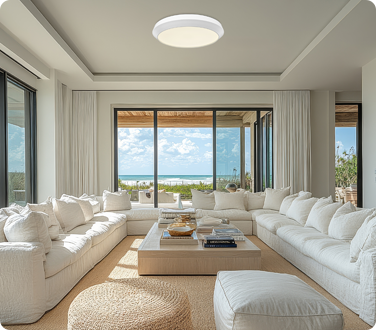
Ambient Lighting:
This is the base light in the room, often provided by ceiling fixtures or recessed lighting.
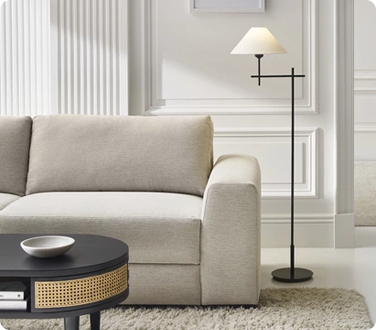
Task Lighting:
This lighting helps people perform activities such as cooking, reading, or grooming.
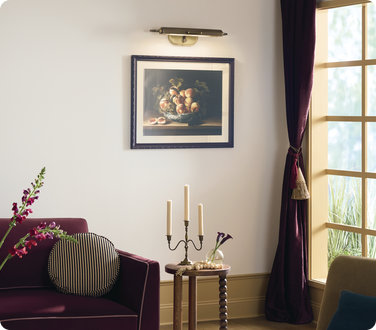
Accent Lighting:
This adds depth and highlights design features like artwork or architectural details.
When all three layers work together, the room feels balanced and comfortable. Without this layering, even beautiful fixtures may leave a room feeling dark or uneven.

Step 6: Manage Unrealistic Expectations
Sometimes a Pinterest photo creates expectations that are hard to replicate.
For example:
- The ceiling height may be much taller in the photo
- The fixture may be custom-made
- The lighting effect may rely on professional photography
This is where communication becomes essential. Designers often say something like: “Let’s recreate the look and feeling of this image in a way that works perfectly in your space.”
This approach keeps the inspiration intact while setting realistic expectations. It also builds trust between designer and client.

Step 7: Present a Complete Lighting Plan
Once fixtures are selected, designers present a clear lighting plan.
This usually includes:
- Fixture selections
- Placement diagrams
- Mounting heights
- Finish coordination
- Estimated brightness levels
At this point, the Pinterest inspiration has evolved into a complete lighting specification. What started as a saved image has become a plan that electricians and contractors can actually install.
The Role of Lighting Partners
Even experienced designers rely on trusted lighting partners.
Lighting specialists help with:
Fixture sourcing
Alternative options
Project pricing
Quick shipping
Technical specifications
Having a knowledgeable partner can save hours of research and reduce costly mistakes. It also ensures designers can confidently deliver lighting that looks beautiful and performs well.
Frequently Asked Questions
Q: Can designers identify the exact fixture from a Pinterest photo?
A: Sometimes, but not always. Many Pinterest images feature custom fixtures or discontinued models. Designers often select similar fixtures that achieve the same look and scale.
Q: Why do Pinterest fixtures sometimes look different in real homes?
A: Photos are often staged with ideal lighting, tall ceilings, and professional photography. Real spaces may require adjustments in size, brightness, or placement.
Q: How do designers determine the right size chandelier?
A: Designers consider room dimensions, table size, and ceiling height. Proper scale ensures the fixture feels balanced and comfortable in the space.
Q: What if a client insists on a fixture that won’t work?
A: Designers usually present alternatives that match the style while explaining why the original option may cause issues with scale, brightness, or installation.
Q: Are Pinterest lighting trends reliable for long-term design?
A: Some trends last, while others fade quickly. Designers help clients select fixtures that feel stylish but also timeless.
Q: Why is layered lighting important?
A: Layered lighting creates depth and functionality. Without it, rooms may appear flat or poorly illuminated.
Q: Can lighting be adjusted after installation?
A: In some cases, yes. Dimmers, bulb changes, and accessory components can modify brightness and mood.
Q: Do designers need lighting specifications before construction begins?
A: Yes. Lighting placement and wiring should be finalized before electrical work starts to avoid costly changes later.
Q: What information should designers gather from inspiration images?
A: Designers focus on style, finish, shape, scale, and the type of light source used in the photo.
Q: How can designers find fixtures that match Pinterest inspiration?
A: Working with experienced lighting suppliers allows designers to search large inventories and quickly locate fixtures that match the desired style.
Turning Inspiration into Reality
Pinterest is a powerful tool. It helps clients express their style and share ideas quickly. But inspiration is only the first step. Designers take those ideas and transform them into real lighting plans that work beautifully in everyday spaces. That transformation requires experience, technical knowledge, and access to reliable lighting resources.

Need Help Translating Inspiration into Real Lighting?
Whether you’re designing a new home, renovating a space, or helping a client bring their Pinterest board to life, the right lighting partner makes the process easier.
The lighting professionals at Lighting New York work with designers, builders, and trade professionals every day to source spec-ready fixtures, coordinate projects, and deliver the right lighting for every space.
If you need help finding the perfect fixture or solving a lighting challenge, contact the experts at Lighting New York. We’re here to help turn inspiration into lighting that truly works.
Call 866-344-3875 today!