


The Most Common Lighting Mistakes Builders Make
(& How to Avoid Them)

Builders manage an incredible number of details on every project. Framing, plumbing, electrical, flooring, cabinets—the list goes on. With so many moving parts, lighting can sometimes become an afterthought.
But here’s the truth: lighting is one of the first things people notice when they walk into a home.
A beautifully designed space can feel unfinished if the lighting isn’t planned properly. Poor fixture placement, generic lighting choices, or missing layers of light can leave homeowners feeling underwhelmed—even if everything else is well built. Think of lighting like seasoning in cooking. The ingredients may be excellent, but without the right balance of seasoning, the dish feels flat. The good news? Most lighting mistakes are easy to prevent when builders understand what to look for.
In this guide, we’ll explore some of the most common lighting mistakes builders encounter—and practical ways to avoid them.

Why Lighting Matters More Than Many Builders Expect
Lighting plays a major role in how a home feels. It affects how rooms look, how comfortable they feel at night, and how easily people can perform everyday tasks. Good lighting also highlights architectural features and improves the overall design of a home. Homebuyers notice lighting more than many builders expect.
They may not talk about lumens or color temperature, but they definitely notice when:
- A kitchen feels too dark
- A dining room fixture looks too small
- A hallway feels flat and uninviting
These impressions shape how people feel about a home.
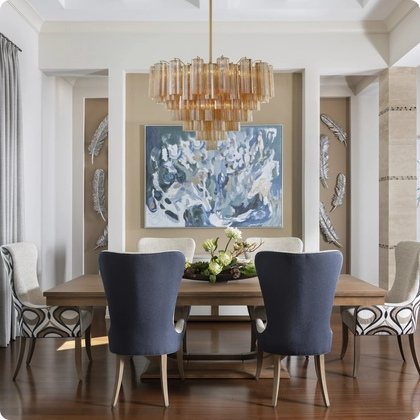
Mistake #1: Using Only Builder-Grade Fixtures
Builder-grade lighting is common in new construction. These fixtures are affordable and widely available, which makes them practical for many projects. However, they often lack personality.
When every room uses basic flush mounts or standard fixtures, the home can feel generic.
How to Avoid This Mistake
Instead of upgrading every fixture, focus on high-impact areas:
- Entryways
- Dining rooms
- Kitchen islands
- Living rooms
Upgrading fixtures in these spaces creates focal points that elevate the entire home. Even a few decorative fixtures can make a property feel more thoughtfully designed.
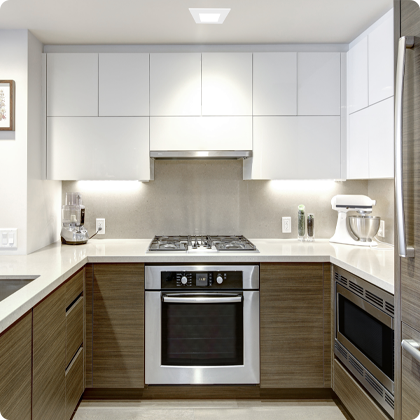
Mistake #2: Poor Placement of Recessed Lighting
Recessed lighting is extremely common in modern homes. It provides clean, unobtrusive illumination. But placement matters. A frequent mistake is installing recessed lights in the center of the ceiling rather than where people actually need light.
For example, in kitchens, poorly placed lights can cast shadows on countertops when someone stands at the workspace.
How to Avoid This Mistake
Recessed lights should be placed strategically:
- Over work areas in kitchens
- Near walls to illuminate cabinets or artwork
- Evenly spaced to create balanced light
Lighting should follow the function of the room.

Mistake #3: Ignoring Layered Lighting
Many homes rely on a single lighting source in each room. This approach may provide enough brightness, but it rarely creates a comfortable atmosphere. Designers often use layered lighting to improve both functionality and style.
Layered lighting combines three types of illumination:
- Ambient lighting for general brightness
- Task lighting for activities like cooking or reading
- Accent lighting to highlight features
How to Avoid This Mistake
Builders can improve lighting simply by adding a few layers:
- Pendant lights over kitchen islands
- Undercabinet lighting in kitchens
- Wall sconces in hallways or living rooms
These additions make the lighting feel more complete.
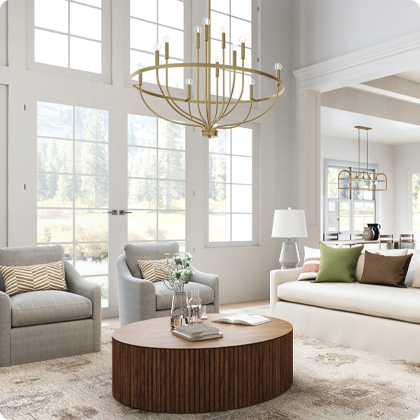
Mistake #4: Choosing Fixtures That Are Too Small
Scale plays an important role in lighting design. One of the most common mistakes is installing fixtures that are too small for the room.
For example, a small chandelier above a large dining table can look lost. Similarly, a tiny fixture in a tall foyer may feel underwhelming.
How to Avoid This Mistake
Builders can follow simple sizing guidelines. In dining rooms, chandeliers should typically measure about half to two-thirds the width of the dining table. In larger rooms or entryways, slightly larger fixtures often create a more balanced look. When in doubt, designers often recommend going slightly larger rather than smaller.

Mistake #5: Skipping Accent Lighting
Accent lighting is often overlooked in residential construction. Yet it can make a dramatic difference in how a home feels.
Accent lighting highlights special features, such as:
- Artwork
- Textured walls
- Shelving
- Architectural details
Without accent lighting, these features may go unnoticed.
How to Avoid This Mistake
Small additions can have a big impact:
- Picture lights above artwork
- LED strips inside shelves
- Small spotlights aimed at architectural features
These touches add depth and character to a room.

Mistake #6: Not Using Dimmers
Lighting needs to change throughout the day. Bright lighting may be helpful for cooking or cleaning, but softer lighting often feels better during evenings or social gatherings. Without dimmers, homeowners lose that flexibility.
How to Avoid This Mistake
Adding dimmer switches to key rooms—such as dining areas, living rooms, and bedrooms—gives homeowners greater control over the atmosphere. It’s a small upgrade that makes lighting feel more refined.

Mistake #7: Forgetting About Outdoor Lighting
Exterior lighting plays an important role in both safety and curb appeal. However, many homes include only minimal outdoor lighting. Without thoughtful exterior lighting, beautiful landscaping and architectural features disappear at night.
How to Avoid This Mistake
Builders can enhance outdoor spaces by adding:
- Pathway lighting
- Wall-mounted fixtures near entrances
- Landscape lighting around trees and gardens
These additions improve both visibility and aesthetics.
Lighting Done Right Creates Lasting Impressions
When lighting is designed thoughtfully, it enhances every other design element in a home. Rooms feel more welcoming. Architectural features stand out. Spaces feel balanced and complete.
Builders who pay attention to lighting details often see the results immediately. Homes photograph better, show better, and leave stronger impressions on buyers. Sometimes the difference between a good home and a great one comes down to lighting.
Frequently Asked Questions
Q: Why is lighting important in home construction?
A: Lighting affects both functionality and the overall atmosphere of a home.
Q: What is builder-grade lighting?
A: Builder-grade lighting refers to basic fixtures commonly used in new construction homes because they are affordable and widely available.
Q: Why do recessed lights sometimes create shadows?
A: When recessed lights are placed incorrectly, people standing beneath them can block the light from reaching work surfaces.
Q: What is layered lighting?
A: Layered lighting combines ambient, task, and accent lighting to create a balanced environment.
Q: Why should dining fixtures be sized carefully?
A: Properly sized fixtures help maintain visual balance and prevent lighting from looking too small or overpowering.
Q: What is accent lighting used for?
A: Accent lighting highlights architectural features, artwork, or decorative elements.
Q: Are dimmer switches important?
A: Yes. Dimmers allow homeowners to adjust brightness levels and create different moods.
Q: Why is outdoor lighting important?
A: Outdoor lighting improves safety, visibility, and curb appeal.
Q: Can lighting affect home value?
A: Well-designed lighting can improve the visual appeal of a home, which may influence buyer perception.
Q: When should lighting decisions be made during construction?
A: Lighting plans should be considered early in the design process so fixtures and wiring can be installed correctly.

Partner with Lighting Experts for Better Results
Lighting may seem like a small detail in the construction process, but it has a powerful influence on how a home feels and functions. Avoiding common lighting mistakes can help builders deliver homes that feel more polished, more comfortable, and more memorable.
If you’re planning a project and want guidance on selecting fixtures or designing a lighting plan that works beautifully, the professionals at Lighting New York are ready to help.
Our lighting experts work with builders, designers, and homeowners every day to create lighting solutions that elevate spaces and enhance every project.
Contact Lighting New York and let our team help bring your next project to light.
Call 866-344-3875 today!