


Lighting for the Way People Really Live
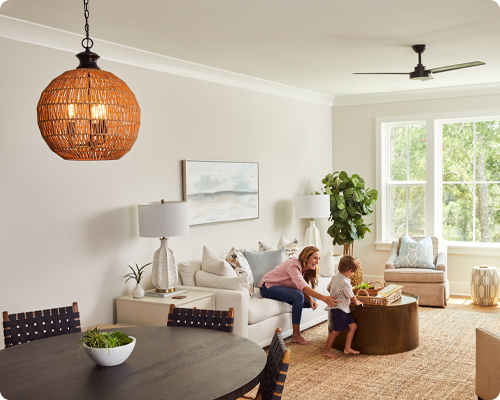
For years, many residential lighting conversations focused primarily on appearance. Designers and homeowners discussed finishes, fixture styles, and the latest trends. While aesthetics remain important, today's clients are asking a different question: "How will this space work for my everyday life?"
It's a smart question. The way people use their homes has changed dramatically. Kitchens have become gathering spaces. Spare bedrooms have become home offices. Dining rooms often serve multiple purposes throughout the week. At the same time, many homeowners are thinking longer-term about comfort, accessibility, and how their homes will support them through different stages of life.
As a result, lighting design is evolving. Clients still want beautiful spaces, but they increasingly prioritize functionality, flexibility, and livability. The most successful designers understand this shift. They recognize that great lighting isn't just about creating a stunning first impression. It's about helping people live comfortably in their homes every day.
Why Livability Is Becoming a Design Priority
A beautiful room may capture attention, but a functional room earns appreciation over time. Most homeowners spend far more time living in their homes than showcasing them. They want spaces that support morning routines, family dinners, homework sessions, remote work, entertaining, and relaxation. Lighting plays a critical role in each of these activities.
When lighting is designed around real-life use, spaces feel more comfortable, more practical, and ultimately more valuable to the homeowner. This creates an opportunity for designers, builders, and architects to differentiate themselves by focusing not only on how a room looks, but also on how it performs.
Design for Activities, Not Just Rooms
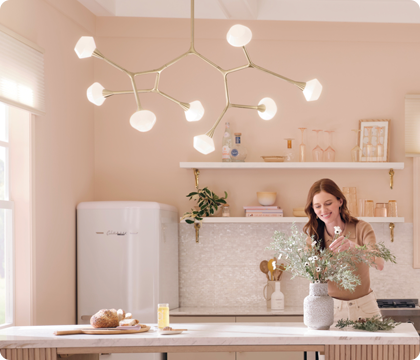
One of the most effective ways to approach residential lighting is to think about activities rather than room labels.
For example, a kitchen is no longer simply a kitchen. It may also function as:
- A workspace
- A homework station
- A gathering area
- A dining space
- A place for entertaining
Similarly, a family room may serve as a media room, reading area, gaming space, or home office depending on the time of day. When designers focus on how clients actually use a space, lighting decisions become much more intentional. Rather than asking, "What fixture belongs in this room?" ask, "What activities happen here?" The answers often lead to better lighting solutions.
The Importance of Layered Lighting
One of the biggest mistakes in residential lighting design is relying on a single source of light. A single ceiling fixture may provide basic illumination, but it rarely creates a comfortable environment for multiple activities. This is where layered lighting becomes essential.
Layered lighting typically includes:
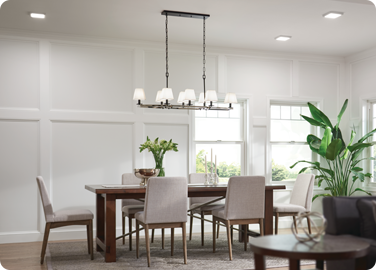
Ambient lighting for general illumination.
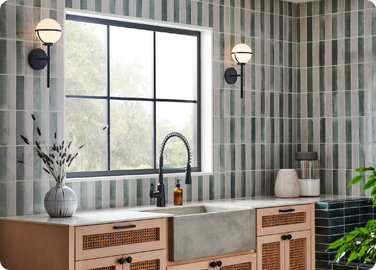
Task lighting for specific activities.
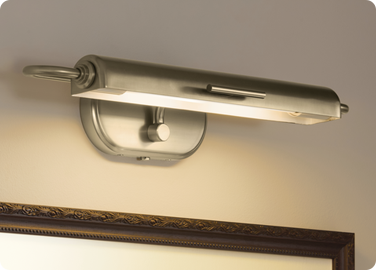
Accent lighting for visual interest.
Together, these layers provide flexibility and improve the overall experience of the space. Think of layered lighting like a toolbox. A homeowner wouldn't want a toolbox with only one tool. Different situations require different solutions, and lighting should offer the same level of versatility.
Creating Family-Friendly Lighting Solutions
Families often use their homes in ways that differ from what designers initially envision. Children complete homework at kitchen islands. Parents work remotely from dining tables. Living rooms become gathering spaces for movie nights and celebrations. Lighting should support these realities.
Provide Adequate Task Lighting
Task lighting helps ensure that activities can be performed comfortably and safely. Examples include:
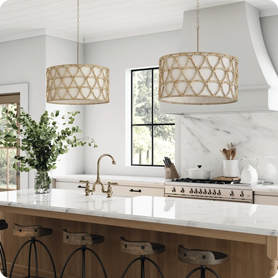
Pendants above kitchen islands.
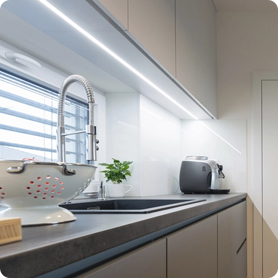
Undercabinet lighting in kitchens.
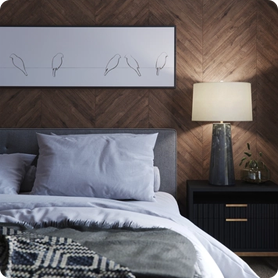
Reading lights in bedrooms.
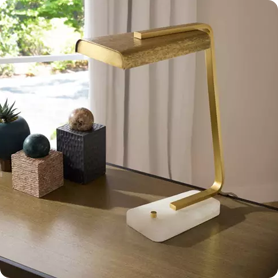
Desk lighting in home offices.
These fixtures serve a practical purpose while also contributing to the overall design.
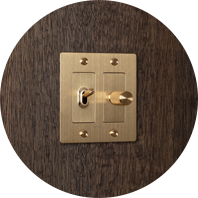
Incorporate Dimming Controls
Different activities require different light levels. A bright environment may be ideal for homework or meal preparation, while softer lighting is often preferred for relaxing in the evening. Dimmers provide flexibility and allow homeowners to adapt lighting throughout the day without changing fixtures.
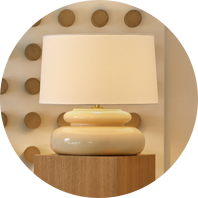
Reduce Glare Whenever Possible
Glare can make a space feel uncomfortable, particularly in areas where people spend extended periods of time. Proper fixture placement, thoughtful bulb selection, and layered lighting strategies can help minimize harsh lighting conditions and improve comfort.
Lighting for Flexible Living Spaces
The rise of hybrid work and multi-purpose rooms has changed the way many homes function. A guest room may become an office during the week. A dining room may double as a workspace. Finished basements often support a variety of activities. These flexible spaces require flexible lighting.
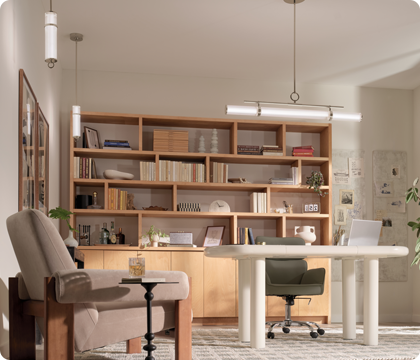
Use Multiple Lighting Sources
Rather than relying on a single fixture, incorporate multiple light sources that can support different uses.
For example, a home office may benefit from:
- General ceiling lighting
- Desk lighting
- Accent lighting
- Natural light integration
This approach allows the space to adapt as needs change.
Plan for Future Uses
One of the smartest questions designers can ask is: "How might this space be used five years from now?" The answer often reveals opportunities to create lighting solutions that remain effective long after current trends have faded.
Aging-in-Place Starts With Better Lighting
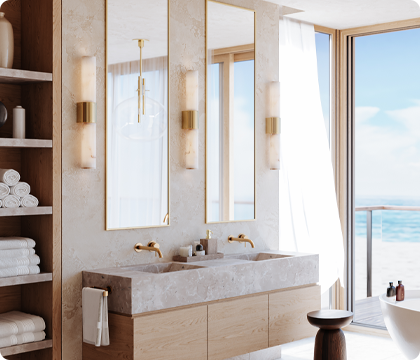
Many homeowners are planning to remain in their homes longer than previous generations. As a result, aging-in-place considerations have become increasingly important in residential design. Lighting plays a major role in supporting safety, comfort, and independence.
Improve Visibility
As people age, they often require more light to perform everyday tasks comfortably. Providing adequate illumination in key areas can help improve visibility and reduce eye strain.
Important areas include:
- Kitchens
- Bathrooms
- Stairways
- Hallways
- Entryways
Minimize Shadows
Shadows can make navigation more difficult and may increase the risk of trips or falls. Layered lighting and thoughtful fixture placement help create more even illumination throughout the home.
Consider Easy-to-Use Controls
Smart lighting systems, dimmers, and accessible switch locations can make daily life more convenient for homeowners of all ages. These features often provide benefits immediately while also supporting long-term usability.
Outdoor Lighting Matters, Too
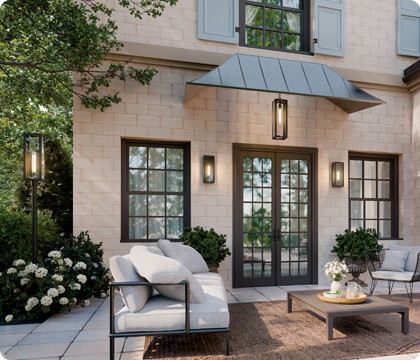
When discussing livability, outdoor spaces should not be overlooked. Patios, porches, walkways, and outdoor gathering areas have become extensions of the home itself.
Thoughtful outdoor lighting improves:
- Safety
- Navigation
- Entertaining
- Curb appeal
- Usability after dark
A well-designed outdoor lighting plan helps homeowners enjoy their spaces long after the sun goes down.
Why Functionality Creates Long-Term Satisfaction
Trends come and go. The fixture that feels cutting-edge today may look dated a decade from now. Functionality, however, rarely goes out of style.
Clients may not remember the exact finish of a fixture years later. They will remember whether their kitchen was easy to work in, whether their stairway felt safe, and whether their home supported their lifestyle. This is why livability has become such an important design consideration.
The most successful projects are not always the ones that photograph best. They're the ones that continue serving homeowners well for years to come.
How Designers Add More Value Through Livability
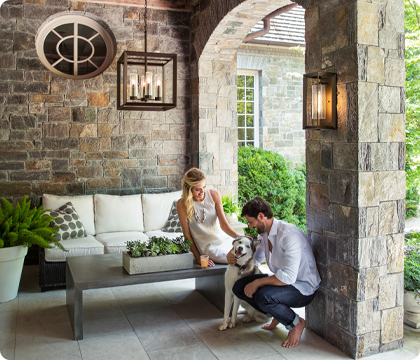
Design professionals who prioritize real-world functionality often create stronger client relationships. Why? Because they're solving problems clients haven't even identified yet.
When a designer considers future flexibility, aging-in-place needs, family routines, and everyday comfort, they demonstrate expertise that goes far beyond fixture selection. Clients notice that level of thoughtfulness. And it often becomes one of the reasons they return for future projects or recommend the designer to others.
Frequently Asked Questions
Q: What does "lighting for the way people really live" mean?
A: It refers to designing lighting around everyday activities, comfort, safety, and functionality rather than focusing exclusively on aesthetics.
Q: Why is livability becoming more important in residential design?
A: Homeowners increasingly want spaces that support daily routines, flexible lifestyles, and long-term comfort.
Q: What is layered lighting?
A: Layered lighting combines ambient, task, and accent lighting to create a more functional and adaptable environment.
Q: How does lighting support family-friendly design?
A: Proper lighting helps support activities such as cooking, studying, reading, working, and entertaining.
Q: Why are dimmers important?
A: Dimmers allow homeowners to adjust lighting levels based on different activities and times of day.
Q: What is aging-in-place lighting?
A: It involves designing lighting solutions that improve visibility, safety, and accessibility as homeowners age.
Q: How can lighting make flexible spaces more functional?
A: Multiple lighting sources allow rooms to adapt to different uses over time.
Q: Why is glare a concern in residential lighting?
A: Excessive glare can cause discomfort, eye strain, and reduced visual clarity.
Q: What rooms benefit most from layered lighting?
A: Kitchens, living rooms, home offices, bedrooms, and family rooms often benefit significantly from layered lighting strategies.
Q: How can designers create more value through lighting?
A: By focusing on functionality, comfort, flexibility, and long-term usability in addition to aesthetics.
Design Spaces That Work Beyond the First Impression
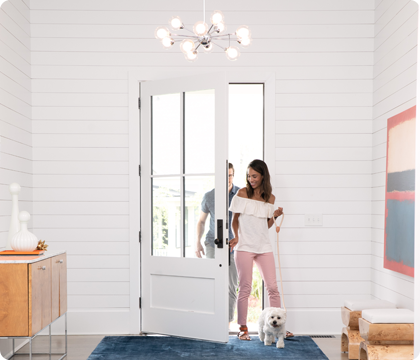
Beautiful lighting will always matter, but today's homeowners expect more than beauty alone. They want spaces that support their daily routines, adapt to changing needs, and remain comfortable for years to come. By focusing on how people actually live, designers, builders, and architects can create lighting plans that deliver both immediate impact and long-term satisfaction.
If you're planning a project and need expert guidance on fixture selection, layered lighting, aging-in-place strategies, or designing spaces that work beautifully in everyday life, the professionals at Lighting New York are ready to help.
Our team works with designers, builders, architects, and homeowners every day to create lighting solutions that balance style, functionality, and real-world performance. Contact Lighting New York and discover how our experts can help bring your vision to life.
Call 866.344.3875 today!