


The Designer’s Guide to Lighting for Tall Ceilings & Open Spaces
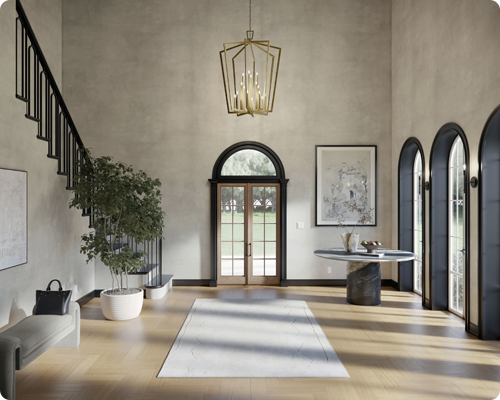
Walk into a modern home today and you’ll notice something immediately. The ceilings are higher. The rooms feel larger. Spaces flow from one area to the next without walls dividing them. These architectural choices create beautiful, airy environments—but they also introduce one of the biggest lighting challenges designers face. How do you properly light a space with so much volume?
Fixtures that look perfect in a standard-height room can appear small or lost in a room with 12-, 16-, or even 20-foot ceilings. Designers working in these homes must think differently about lighting scale, layering, and placement. When done well, lighting becomes a powerful design feature that enhances the architecture instead of disappearing into it.
Let’s explore how designers successfully light tall ceilings and open spaces.
Why Tall Ceilings Change the Lighting Strategy
When ceilings rise higher, the relationship between the fixture and the room changes. A small fixture placed in a large vertical space can feel disconnected from the room below. Imagine hanging a small painting on a huge gallery wall. The artwork may be beautiful, but without proper scale it can look lost.
Lighting works the same way. Tall ceilings require designers to think about proportion, visibility, and visual impact. Fixtures must fill the vertical space while still feeling balanced with the rest of the room. The goal is not simply to add light. The goal is to create lighting that belongs in the architecture of the space.
The Importance of Proper Fixture Scale
Scale is one of the most important factors when designing lighting for tall ceilings. If a fixture is too small, it disappears. If it is too large, it overwhelms the room.

Designers typically evaluate several elements to determine appropriate scale:
- Ceiling height
- Room dimensions
- Furniture placement
- Viewing distance
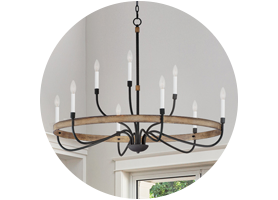
In tall rooms, larger fixtures often perform better visually. Examples include:
- Oversized chandeliers
- Large pendant fixtures
- Multi-tier chandeliers
- Clustered pendants
These fixtures fill the vertical space while anchoring the design.
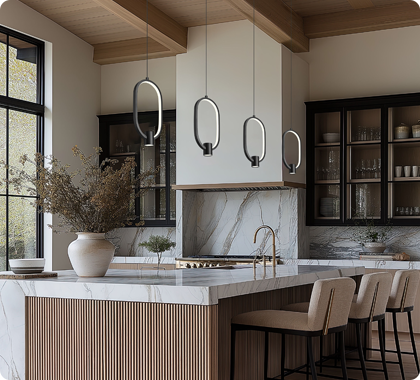
Dramatic Pendants for Vertical Impact
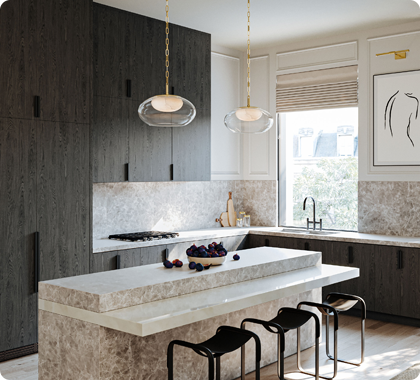
One of the most effective lighting solutions for tall ceilings is the use of dramatic pendant lighting. Pendant fixtures allow designers to visually “bring the light down” into the space. Instead of placing a fixture directly against the ceiling, pendants extend downward, connecting the ceiling to the living space below. This technique helps maintain a comfortable visual scale.
Common areas where dramatic pendants work well include:
- Kitchen islands
- Stairwells
- Entryways
- Double-height living rooms
A tall pendant can act like a sculpture suspended in space, creating a striking focal point.
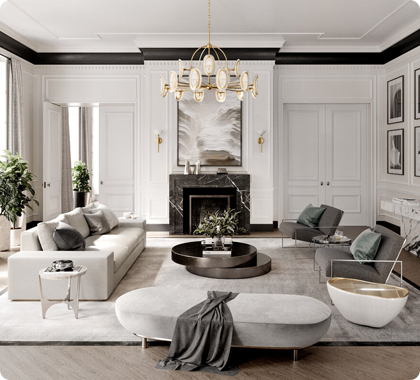
Large-Scale Chandeliers for Grand Rooms
Some spaces call for lighting that makes a statement. In large living rooms, great rooms, or foyers, large-scale chandeliers can provide both illumination and architectural presence.
These fixtures often feature:
- Multiple tiers
- Wide diameters
- Extended height
- Layered light sources
The chandelier becomes more than just lighting—it becomes part of the room’s identity. When guests walk into the space, their eyes naturally travel upward to the fixture.
Fixture Stacking: A Powerful Design Technique
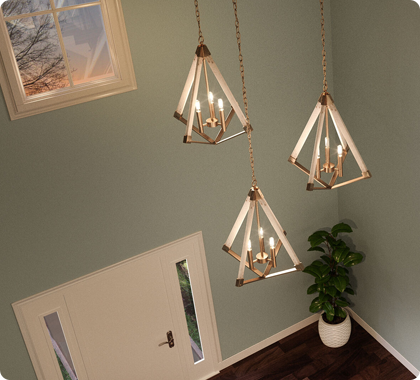
When ceilings become extremely tall, a single fixture may not fill the space effectively. This is where designers use a technique known as fixture stacking. Fixture stacking involves arranging multiple fixtures vertically to create a layered visual effect.
For example:
- Two or three pendant lights suspended at varying heights
- A cascade of glass fixtures in a stairwell
- Multi-level chandeliers that extend downward
This approach helps fill the vertical space while adding movement and visual interest. In staircases and entryways, fixture stacking can create a dramatic architectural feature that draws attention upward.
Lighting Open Floor Plans
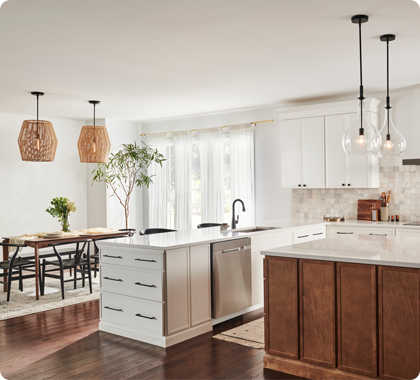
Many modern homes combine tall ceilings with open floor plans. This creates large spaces where several functions occur at once. For example, a single room may include:
- Kitchen
- Dining area
- Living room
Lighting helps visually define each zone within the open layout. Designers often achieve this by using different fixtures for each area while maintaining a consistent style.
Examples include:
- Pendants over the kitchen island
- Chandelier over the dining table
- Ceiling fixture or recessed lighting in the living room
This layered approach helps organize the space without the need for walls.
Layered Lighting for Comfort & Balance
Tall ceilings often require multiple layers of light. Relying on a single overhead fixture can create shadows or uneven brightness. Designers typically combine several lighting layers:
Ambient Lighting
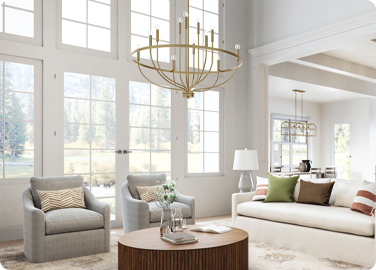
This provides general illumination across the room. Examples include chandeliers or recessed lighting.
Task Lighting
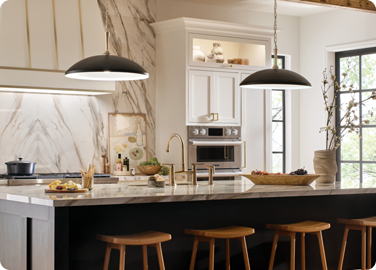
This supports activities such as cooking, reading, or working.
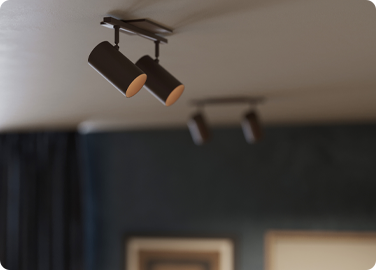
Accent Lighting
This highlights architectural features, artwork, or decorative elements.
Together, these layers create a balanced and comfortable environment.
Using Lighting to Highlight Architecture
Tall spaces often feature beautiful architectural details. These may include exposed beams, vaulted ceilings, stone fireplaces, and large windows. Lighting can help highlight these elements.
For example:
Wall sconces can emphasize vertical walls
Accent lighting can highlight beams or textures
Directional lighting can draw attention to architectural features
In this way, lighting becomes part of the storytelling of the home.
Avoiding Common Lighting Mistakes in Tall Spaces
Designers working with tall ceilings often watch for several common mistakes.
Fixtures That Are Too Small
Small fixtures can feel disconnected from the room. Always evaluate scale carefully.
Hanging Fixtures Too High
If a fixture hangs too close to the ceiling, it may fail to connect visually with the room below. Lower placement often improves visual balance.
Not Layering Light
Large spaces need multiple light sources to prevent shadows and dark areas.
Ignoring Maintenance
Fixtures in tall ceilings can be difficult to clean or service. Designers often consider access solutions such as lifts or fixtures with longer-lasting light sources.
Lighting as a Design Feature
In homes with tall ceilings, lighting often becomes one of the most visible design elements. Rather than blending quietly into the background, fixtures can become sculptural pieces that help define the space.
Think of lighting as the jewelry of the room. Just as a necklace draws attention to an outfit, a beautiful chandelier or pendant can elevate the entire space. When scale, placement, and style align with the architecture, lighting helps the home feel complete.
Frequently Asked Questions
Q: What type of lighting works best for tall ceilings?
A: Large pendants, multi-tier chandeliers, and layered lighting systems often work well in tall spaces.
Q: How low should a chandelier hang in a tall room?
A: The exact height depends on the room, but the fixture should visually connect with the space below rather than sitting too close to the ceiling.
Q: Are oversized fixtures appropriate for tall ceilings?
A: Yes. Larger fixtures often help maintain visual balance in rooms with significant vertical space.
Q: What is fixture stacking?
A: Fixture stacking is the use of multiple fixtures suspended at different heights to fill vertical space and create visual impact.
Q: How do designers light open floor plans with tall ceilings?
A: Designers often use different fixtures to define zones such as kitchen, dining, and living areas.
Q: Do recessed lights work well in tall ceilings?
A: Recessed lights can provide ambient illumination but are usually combined with decorative fixtures for better visual impact.
Q: What lighting works best for tall entryways?
A: Large chandeliers or cascading pendant fixtures often create a dramatic focal point in entryways.
Q: Should lighting styles match throughout an open space?
A: While fixtures may vary in size or shape, maintaining a consistent design style helps create cohesion.
Q: How can designers prevent tall rooms from feeling dim?
A: Layered lighting and properly scaled fixtures help distribute light throughout the space.
Q: Can lighting highlight architectural features in tall rooms?
A: Yes. Accent lighting, sconces, and directional lighting can emphasize architectural elements such as beams or fireplaces.
Bringing Light & Balance to Tall Spaces
Tall ceilings and open spaces offer incredible design opportunities. But without thoughtful lighting, those beautiful spaces can feel empty or disconnected.
When designers choose the right fixtures, consider scale, and layer light strategically, they transform these large volumes into warm, inviting environments. The right lighting helps the architecture shine while creating spaces that feel comfortable and welcoming.
Need Help Choosing Lighting for Tall Ceilings?
The lighting professionals at Lighting New York work with designers, builders, and trade professionals every day to select fixtures that complement architecture and perform beautifully in large spaces.
Whether you’re designing a dramatic entryway, lighting an open great room, or specifying fixtures for a high-ceiling project, contact the experts at Lighting New York. Our team is ready to help you find the perfect lighting solutions for your next project.