


Budgeting & Lighting Value Engineering for 2026 Projects
If you're a designer, builder, or architect, you’re already feeling the pressure. Rising interest rates, unpredictable material costs, tighter client budgets, and increasing expectations all collide in 2026. And lighting—one of the most important visual and functional elements of any project—is often the first place clients look when they need to save money.
But here’s the good news: You can reduce costs without reducing beauty or performance.
That’s what lighting value engineering is all about.
Value engineering doesn’t mean “cheap” lighting. It means smarter lighting—choosing the right fixtures, the right placements, and the right materials so that clients stay within budget without sacrificing design integrity.
Think of it like packing for a big trip. You can bring everything and pay extra baggage fees… or you can pack thoughtfully and still have everything you need. Value engineering helps you “pack” lighting plans in a way that delivers the same impact, at a better cost.
Let’s break down how to do it well in 2026.
Why Value Engineering Matters More Than Ever in 2026
Clients are entering 2026 with real financial concerns:
Higher borrowing costs
Pressure to keep projects on track
Increased cost for labor and materials
Supply chain unpredictability
Desire for high design without high prices
Lighting is one of the easiest categories to overspend and one of the easiest categories to optimize—if you know where to focus.
That’s what this article gives you:
Clear, simple guidance to help you deliver great lighting on any budget.

Step 1: Start With What Matters Most to Your Client
Not all lights are created equal. And not all rooms carry the same emotional weight for homeowners. The first step in value engineering is understanding where lighting actually matters most in your client’s daily life.
Ask them:
- “Which three rooms matter most to you?”
- “Where do you want the biggest visual impact?”
- “Where do you spend the most time?”
Clients often want to splurge in: Kitchens, great rooms, dining rooms, primary bedrooms, outdoor living areas
And they’re usually fine saving on: Closets, laundry rooms, secondary bedrooms, hallways, utility spaces
You don’t have to cut everywhere. You cut in the areas that don’t compromise the story the homeowner wants the home to tell.
Step 2: Use the “Hero Fixture” Strategy
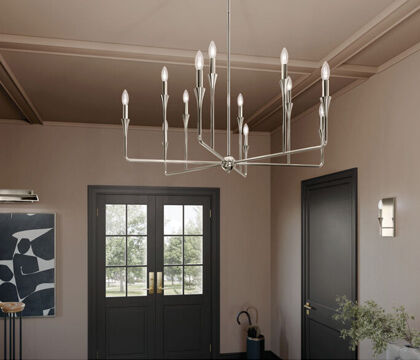
One of the easiest ways to stay on budget—while still delivering a stunning design—is using what’s called a hero fixture.
A hero fixture is:
- The standout moment
- The wow factor
- The piece guests notice immediately
Examples:
- A dramatic foyer chandelier
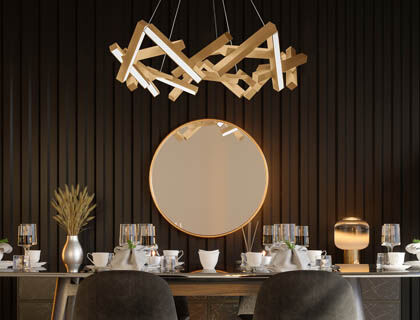
- A gorgeous dining room fixture
- Sculptural pendants over an island
Your client gets a designer look without needing every fixture to be expensive.
How it saves money:
Step 3: Mix Price Tiers Intentionally
A professional-level value engineering strategy uses smart mixing:
- Good (budget-friendly staples)
- Better (well-designed mid-tier options)
- Best (premium showpieces)
This keeps costs down while keeping the design feeling high-end.
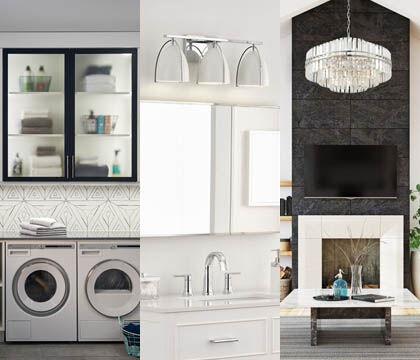
Where to save: Flush mounts, utility lighting, secondary bedroom fixtures, simple outdoor sconces, standard recessed lighting
Where to invest: Dining room, entryway, kitchen island, main hallway, outdoor statement pieces
If you balance the tiers, your client enjoys a luxury feel without a luxury bill.
Step 4: Choose Integrated LED Fixtures Wisely
Integrated LEDs can save money long-term—but if the fixture requires replacing the whole unit when the LED fails, it can get costly down the road.
In 2026, LED quality is excellent, but value engineering means:
- Choose integrated LEDs for modern pieces, functional areas
- Use replaceable LED bulbs for fixtures with tricky access or where clients may want changing color temperature
This approach ensures performance while keeping maintenance costs low.
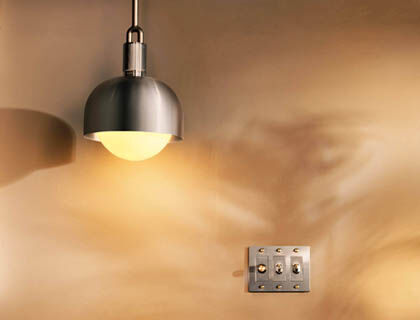
Step 5: Use Dimmers Instead of Expensive Smart Fixtures
Lighting controls are a huge value lever. Instead of installing a high-end smart fixture in every room, use:
- Dimmers
- Smart switches
- Smart bulbs (where appropriate)
Dimmers instantly make lighting more flexible and elevate mood—for a fraction of the cost of upgrading every fixture. Clients feel like they’re getting a premium experience even when you’ve saved them thousands.
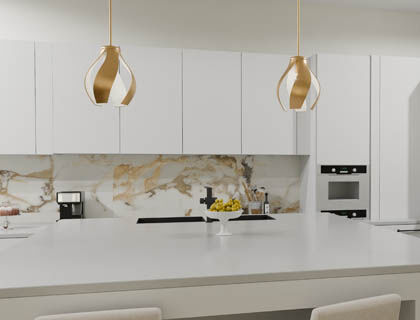
Step 6: Simplify Your Placement Without Sacrificing Light Quality
Sometimes value engineering isn’t about the fixture—it’s about the layout.
Fewer, well-placed fixtures often create better lighting than many scattered ones.
Examples:
- Use two pendants instead of three over large islands
- Use one large chandelier instead of two small ones
- Replace multiple flush mounts with a clean row of recessed lights
- Use wall sconces to reduce the need for large ceiling fixtures
Good lighting design makes inexpensive fixtures look intentional and stylish.

Step 7: Avoid Unnecessary Upgrades
Clients often believe they need:
- The biggest fixture
- The brightest fixture
- The most decorative fixture
But most of the time, they need the right fixture.
Help them understand:
- Oversized lights in small rooms can overwhelm
- High-lumen bulbs aren’t always comfortable
- Simpler design can be more timeless
- Mid-priced fixtures often match the performance of high-end ones
When you educate clients, they trust you—and they see the value in your decisions.
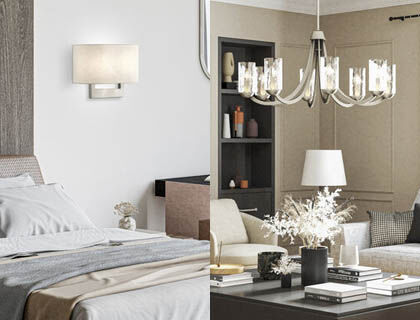
Step 8: Use Finish Matching Instead of Brand Matching
One of the easiest ways to save money: Mix brands based on finish, not loyalty.
A satin brass chandelier pairs perfectly with satin brass sconces—even if they’re different manufacturers. This gives clients the designer look they want at a more flexible price point.
LNY Pro excels at helping designers match finishes across brands. It’s one of the simplest value engineering wins.
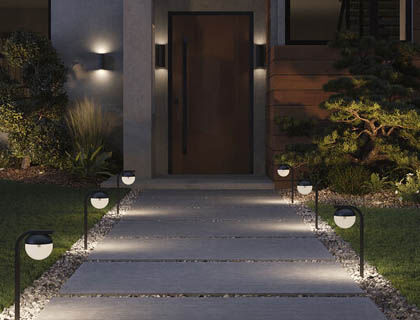
Step 9: Leverage Outdoor Lighting Wisely
Outdoor lighting is an area where costs can escalate quickly. Save money by:
- Using simple, durable sconces
- Avoiding oversized luxury fixtures unless necessary
- Choosing LED path lights instead of hardwired bollards
- Using matching collections for cohesive style at lower cost
Reserve statement pieces for the front entry or patio area. Everything else can be simple, functional, and still beautiful.

Step 10: Rely on a Lighting Partner Who Knows Value Engineering
Lighting New York works with thousands of designers and builders each year, and value engineering is one of the most common challenges we support.
We help you:
- Compare cost-saving alternatives
- Identify where to save without sacrificing design
- Recommend hero fixtures within budget
- Match finishes across brands
- Stay within lighting allowances and code compliance
- Avoid supply chain pitfalls
- Build room-by-room lighting budgets
You shouldn’t have to figure out lighting value engineering alone. That’s what LNY Pro is here for.
Frequently Asked Questions
Q: What is value engineering in lighting?
A: Value engineering is reducing lighting costs without reducing quality, style, or performance through strategic fixture choices and placement.
Q: Can I still create a high-end look with a tight budget?
A: Yes—using a hero fixture strategy and mixing price tiers can create a premium feel at a lower cost.
Q: Where is the best place to splurge?
A: Dining rooms, foyers, kitchen islands, and main living areas typically provide the most visual impact.
Q: Where can clients save the most money?
A: Closets, laundry rooms, hallways, secondary bedrooms, and utility areas.
Q: Are cheaper fixtures lower quality?
A: Not always. Many mid-tier brands offer excellent style and performance without the premium price.
Q: Do smart fixtures provide good value?
A: Smart switches often provide more flexibility at lower cost than smart fixtures—especially for whole-home solutions.
Q: How do I avoid lighting that looks cheap?
A: Choose clean designs, match finishes, and focus on good placement rather than elaborate shapes.
Q: Does value engineering compromise lighting quality?
A: Not if done correctly. In fact, thoughtful design often improves lighting even while reducing cost.
Q: Should I choose integrated LEDs or bulb-based fixtures?
A: Use integrated LEDs for modern or functional designs; use bulb-based fixtures where flexibility or long-term serviceability matters.
Q: How does LNY Pro help with value engineering?
A: We provide curated alternatives, price comparisons, finish-matching, and expert guidance to help you design within budget without sacrificing your vision.

Need Help Value Engineering Your 2026 Lighting Project?
You don’t need to cut quality to cut costs. You just need a partner who knows where to save—and where not to.
The Lighting New York Pro team is here to guide you with:
Budget-friendly fixture substitutions
Finish-matching across brands
Hero fixture strategies
Room-by-room lighting value plans
Fast, expert support for designers, builders, and architects
Contact LNY Pro today for tailored support on your 2026 lighting budgets and value engineering needs.
Let’s create beautiful, cost-smart spaces together.
Call 866-344-3875 today!