Xenon Lamp Spectrum Guide | Lighting New York
Understanding the Xenon Lamp Spectrum: A Comprehensive Guide
The Challenge of Choosing the Right Light Source
Choosing the right lighting can feel overwhelming. There are so many options, each promising different benefits. You want light that's not only functional but also enhances your space and serves its intended purpose, whether it's illuminating your home, supporting plant growth, or powering a specialized application. Understanding the nuances of different light sources is key to making the right choice.
Many people are familiar with LEDs and incandescent bulbs, but what about xenon lamps? They offer a unique set of characteristics that make them suitable for a range of applications. Knowing more about their capabilities helps you select the ideal lighting solution.
Decoding the Xenon Lamp Spectrum
Xenon lamps produce light by passing electricity through ionized xenon gas. The resulting light output is a broad, continuous spectrum, meaning it contains a wide range of colors, similar to natural sunlight. This is a key characteristic that differentiates it from other light sources.
What Makes the Spectrum Unique?
The broad emission profile enables a more accurate color rendering compared to some other artificial light sources. This becomes especially important in applications where color accuracy is crucial, such as photography and certain medical procedures. Understanding its characteristics is crucial for determining if it's the right fit for a specific need. The full spectrum provided also lends itself well to applications needing UV light, like curing and aging tests.
Applications and Considerations
The unique properties of the light emitted make it valuable in diverse fields. However, it's essential to consider its strengths and weaknesses compared to alternatives like LEDs.
- Plant Growth: Some growers use Xenon lamps to simulate sunlight for plant cultivation. The broad spectrum can support photosynthesis, although specialized grow lights might be more efficient.
- Aquariums and Reptiles: The full spectrum can be beneficial for simulating natural sunlight in aquariums and reptile enclosures. It can help support the health and well-being of the inhabitants.
- Medical and Dermatology: The spectrum finds applications in dermatology for treating skin conditions, and in other medical procedures where specific wavelengths of light are required.
- Photography: The near-sunlight quality of the light is useful in photography, especially where color accuracy is important.
- Industrial Curing: Xenon flash lamps are used in industrial curing processes, such as drying coatings and adhesives.
- Aging Tests: The spectrum, with its UV component, is used in aging tests to simulate the effects of sunlight on materials.
- Spectrum Analysis: Its broad output is utilized in scientific instruments for spectrum analysis.
Xenon Lamp Spectrum vs. LED: A Comparison
LEDs have become increasingly popular due to their energy efficiency and long lifespan. However, they don't always offer the same spectral characteristics as xenon lamps. LEDs typically emit light in narrower bands, which can affect color rendering. While LEDs can be engineered to produce a broader spectrum, it often involves combining multiple LEDs with different wavelengths, which can add complexity and cost.
When deciding between these two light sources, consider the specific requirements of your application. If color accuracy and a sunlight-like spectrum are paramount, it may be the better choice. If energy efficiency and longevity are the primary concerns, LEDs may be more suitable. Also, consider the power requirements and the potential for spectrum degradation over time. Understanding the irradiance and power requirements will also help in making an informed decision.
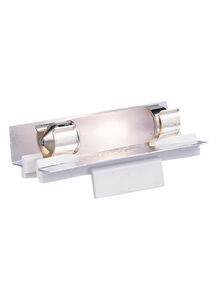
Generation Lighting
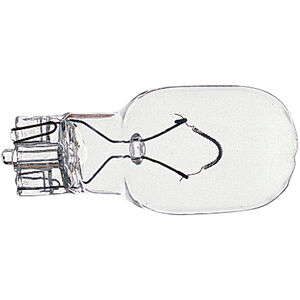
Generation Lighting
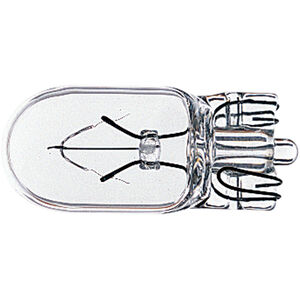
Generation Lighting
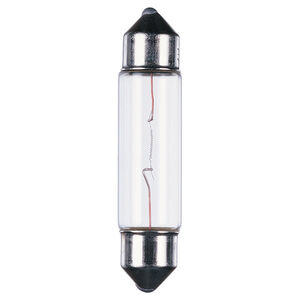
Generation Lighting
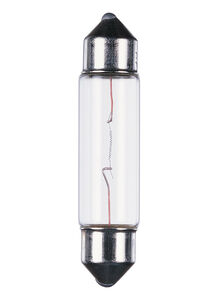
Generation Lighting
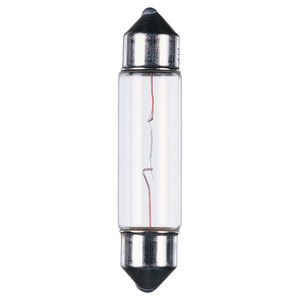
Generation Lighting
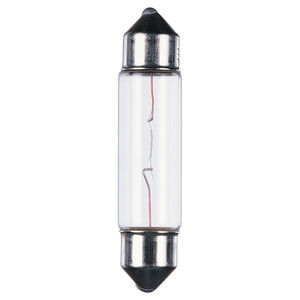
Generation Lighting
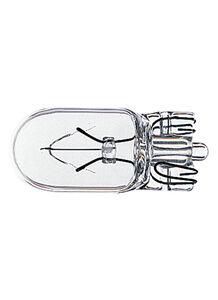
Generation Lighting

Visual Comfort Modern Collection
Commonly Asked Questions About Wall Lights Lamps xenon lamp spectrum
Q: What makes the light quality of a xenon lamp spectrum so appealing for interior lighting?
A: Xenon lamps produce a beautiful, continuous spectrum of light that closely mimics natural sunlight. This provides excellent color rendering, making objects appear vibrant and true-to-life, enhancing the ambiance of any room.
Q: How durable are xenon lamps, and what are the benefits of their longevity?
A: Xenon lamps are known for their robust construction and impressive lifespan. This means less frequent bulb replacements, saving you time and effort while ensuring your lighting remains consistently bright and reliable for years to come.
Q: Can xenon lamps be used in a variety of lighting fixtures and applications around my home?
A: Absolutely! Xenon lamps are versatile and can be incorporated into a wide range of lighting fixtures, from recessed lighting and track lighting to decorative lamps and accent lighting. Their adaptability makes them a great choice for illuminating various areas of your home.
Q: What are the advantages of using xenon lamps in areas where accurate color representation is important?
A: Xenon lamps excel in applications where precise color rendering is essential. Their full spectrum output accurately displays colors, making them ideal for spaces like art studios, walk-in closets, or anywhere you want to see true colors.
Q: How can I ensure I get the best performance and safety when using xenon lamps in my home?
A: To ensure optimal performance and safety, we always recommend consulting with a professional electrician when integrating xenon lamps into your home lighting system. They can ensure proper wiring and fixture compatibility, allowing you to enjoy the benefits of xenon lighting safely and effectively.