Xenon Arc Lamp Spectrum: Understanding Light Output | Lighting New York
Understanding the Xenon Arc Lamp Spectrum for Lighting Applications
The Bright Idea: Understanding Xenon Arc Lamps
We all want the right light for the job, whether it's illuminating a living room, powering scientific research, or ensuring accurate color representation. But navigating the world of lighting can feel overwhelming. Different light sources offer different properties, and understanding those differences is crucial for selecting the best option. One particularly powerful and versatile light source is the Xenon arc lamp. This article will guide you through the essentials of this type of lamp and how to choose the best option for your needs.
The Problem: Inconsistent & Unreliable Light
Imagine needing a light source that mimics the sun for material testing or relying on a microscope light that distorts colors. Inconsistent or unreliable lighting can lead to inaccurate results, wasted time, and frustration. For researchers, it could mean skewed data. For designers, it could result in choosing the wrong paint colors. The problem is finding a light source that delivers consistent, high-intensity light across a broad range of wavelengths.
The Solution: The Power of Xenon Arc Lamps
Xenon arc lamps offer a powerful solution for applications that demand intense, full-spectrum light. These lamps produce light by passing electricity through ionized Xenon gas. This process creates a brilliant, stable arc that emits light across the ultraviolet (UV), visible, and infrared portions of the spectrum. The unique light properties make them a popular choice in many industries.
Applications of Xenon Arc Lamps
- Scientific Research: Researchers use lamps in various experiments, including photochemistry, spectroscopy, and material degradation studies. The broad spectrum allows for simulating sunlight, vital for testing materials' resistance to UV exposure.
- Microscopy: The bright, stable light is ideal for microscopy, providing clear images of samples at high magnification.
- Solar Simulation: These lamps are crucial for simulating sunlight in controlled environments, allowing scientists and engineers to test the effects of solar radiation on materials, components, and systems.
- Projection Systems: While LEDs are more common now, Xenon lamps were once a staple in high-end movie projectors, providing the necessary brightness for large screens.
- Medical Applications: Certain medical procedures, such as phototherapy, utilize the specific wavelengths emitted by these lamps.
Choosing the Right Lamp: Key Considerations
Selecting the correct lamp involves carefully considering your specific needs. Here are some crucial factors to keep in mind:
- Power Requirements: Lamps are available in a wide range of power ratings, from a few watts to several kilowatts. The right power level depends on the intensity of light needed for your application.
- Spectral Output: The distribution of light across different wavelengths is crucial. Consider the UV, visible, and infrared components of the . Do you need high UV output for a specific application?
- Lamp Stability: The stability of the light output over time is essential for accurate measurements and consistent results.
- Cooling Requirements: These lamps generate significant heat and require adequate cooling to prevent overheating and ensure long life.
- Accessories: Don't forget about the necessary accessories, such as the power supply, lamp housing, and cooling system. The power supply is a critical component that provides the stable current needed for optimal lamp operation.
Understanding Key Specifications
When evaluating lamps, pay attention to these specifications:
- Spectral Irradiance: This measures the power of the light emitted at different wavelengths.
- Luminous Flux: This indicates the total amount of visible light emitted by the lamp.
- Color Temperature: This describes the color of the light emitted, typically expressed in Kelvin (K). A higher color temperature indicates a bluer light, while a lower temperature indicates a yellower light.
- Lamp Life: This specifies the expected lifespan of the lamp, usually measured in hours.
- UV Emission: The amount of UV light emitted, which needs to be considered for safety and application requirements.
By carefully considering these factors, you can choose a lamp that meets your specific needs and provides the reliable, high-intensity light you require. Whether you're conducting cutting-edge research or designing innovative lighting solutions, understanding the nuances of these lamps is essential for success.
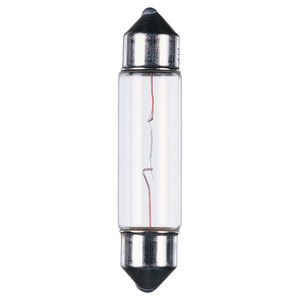
Generation Lighting
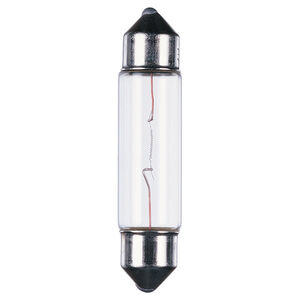
Generation Lighting
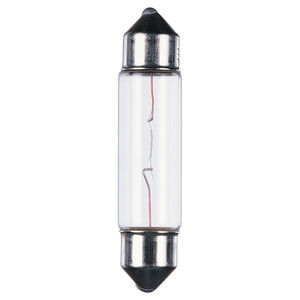
Generation Lighting
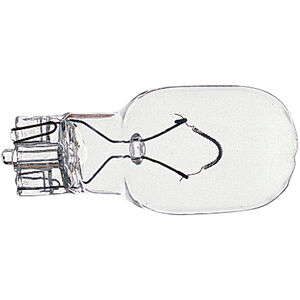
Generation Lighting
Generation Lighting
Generation Lighting
Generation Lighting

Visual Comfort Modern Collection
Commonly Asked Questions About Wall Lights Lamps xenon arc lamp spectrum
Q: What makes the spectrum of a xenon arc lamp so desirable for various applications?
A: The xenon arc lamp spectrum is highly regarded for its broad and continuous output, closely resembling natural sunlight. This characteristic makes it exceptionally versatile for applications requiring accurate color rendering and precise simulation of daylight conditions.
Q: How does the light quality of a xenon arc lamp spectrum enhance the viewing experience of illuminated objects?
A: The superior color rendering index (CRI) of xenon arc lamp spectrum ensures that colors appear vibrant and true-to-life. This leads to a richer and more detailed viewing experience, making illuminated objects visually appealing and captivating.
Q: What are some key applications where the unique spectrum of a xenon arc lamp provides significant benefits?
A: The unique spectrum of a xenon arc lamp is invaluable in scientific research, where precise spectral analysis is critical. It is also highly beneficial in film projection, creating exceptionally bright and clear images, and in specialized lighting fixtures where high intensity and accurate color representation are essential.
Q: Can I use xenon arc lamps in my home lighting fixtures?
A: Xenon arc lamps are typically used in specialized lighting applications due to their high intensity and specific spectral characteristics. If you are considering using xenon arc lamps in your home, we recommend consulting with a professional electrician to ensure proper implementation and safety.
Q: How does the spectral output of a xenon arc lamp contribute to the overall quality and performance of lighting systems?
A: The consistent and stable spectral output of xenon arc lamps ensures reliable and predictable performance over their lifespan. This contributes to the overall quality and longevity of lighting systems, providing a dependable and high-performing light source.