What Are Lampshades Made Of? Materials Guide | Lighting New York
What Lampshades Are Made Of: A Comprehensive Guide
The Problem: Choosing the Right Lampshade Material
Choosing the right lampshade can feel overwhelming. You want something that complements your décor, provides the right amount of light, and lasts. But with so many materials available, how do you decide? Understanding the different materials lampshades are crafted from is the first step to solving this lighting puzzle. Don't let a poorly chosen lampshade ruin the ambiance of your room!
Our Solution: Understanding Lampshade Materials
At Lighting New York, we believe finding the perfect lighting solution should be easy. That's why we've created this comprehensive guide to demystify the world of lampshade materials. We'll walk you through the pros and cons of each material, helping you make an informed decision that will illuminate your space beautifully. Whether you're looking for a modern masterpiece or a vintage vibe, knowing your materials is key.
Exploring Common Lampshade Materials
Let's delve into the diverse range of materials used in crafting lampshades:
- Fabric: Fabric lampshades are incredibly versatile. Options include linen, silk, burlap, and cotton. Each fabric offers a unique texture and light diffusion.
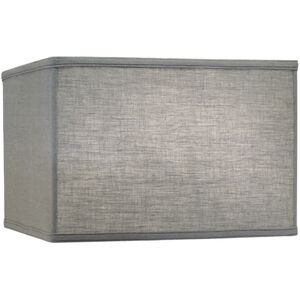
- Linen lampshades offer a natural, textured look that's perfect for creating a relaxed and inviting atmosphere. They diffuse light softly, reducing glare.
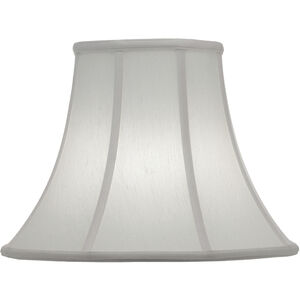
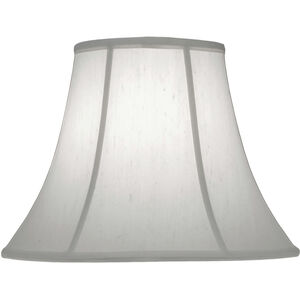
- Silk lampshades exude luxury and elegance. They provide a warm, subtle glow, making them ideal for bedrooms or formal living spaces.
- Burlap lampshades bring a rustic, textured element to any room. They are especially popular in farmhouse or industrial-chic designs.
- Paper: Paper lampshades are lightweight and affordable. They can be easily shaped and come in various colors and patterns. They're ideal for creating ambient light. Consider the type of paper, as some are more durable and resistant to yellowing than others.
- Metal: Metal lampshades offer a sleek and modern aesthetic. They can be made from materials like steel, brass, or copper. Metal shades often direct light downward, making them ideal for task lighting.
- Glass: Glass lampshades add a touch of sophistication and can be found in various styles, from clear to frosted to stained. What are glass lampshades made of can vary, affecting light transmission and overall look.
- Synthetics: Modern lampshades often incorporate synthetic materials like rayon or polyester. These materials are durable, easy to clean, and can mimic the look of natural fabrics at a lower cost.
Success: Choosing the Right Material for Your Needs
Choosing the right lampshade material depends on several factors, including your personal style, the function of the lamp, and the overall ambiance you want to create.
- Style Considerations:
- For a modern aesthetic, consider metal or minimalist fabric shades.
- Vintage lampshades often feature silk, glass, or pleated fabric. Explore antique stores or online marketplaces for authentic pieces.
- To achieve a rustic or bohemian look, burlap or handmade options can be excellent choices.
- Light Output:
- Darker materials like black or heavily textured fabrics will absorb more light, creating a dimmer, more intimate atmosphere.
- Lighter materials like white or beige will allow more light to pass through, brightening the room.
- Room Type:
- Lampshades for bedroom lamps often feature soft, diffused light, making linen or silk ideal.
- Lampshades for living room lamps can be more decorative and expressive, allowing for bolder colors and materials.
- Lampshades for floor lamps need to be proportionally sized, and often feature a wider diameter to balance the lamp's height.
- Lampshades for table lamps can be smaller and more delicate, allowing for greater design flexibility.
Exploring Specific Lampshade Styles and Materials
Different lampshade styles lend themselves to specific materials:
- Drum lampshades are versatile and work well with various fabrics, including linen, cotton, and even patterned synthetics.
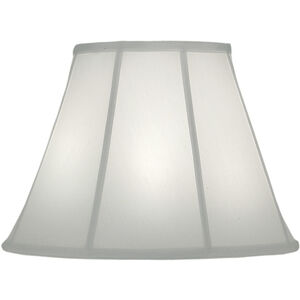
- Empire lampshades often feature classic fabrics like silk or linen, creating an elegant and timeless look.
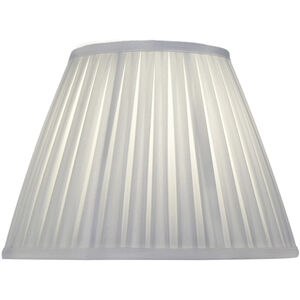
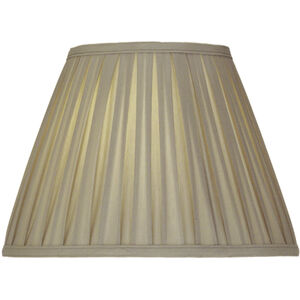
- Pleated lampshades evoke a vintage charm and are commonly made from silk or rayon.
- Tiffany lampshades are iconic for their use of stained glass, creating intricate and colorful designs.
Important Considerations: Safety and Maintenance
When choosing a lampshade, safety and maintenance are crucial considerations.
- Safety: Ensure the lampshade is made of heat-resistant materials, especially for lamps with high-wattage bulbs. Consider lampshades made of for heat resistance to prevent fire hazards.
- Cleaning: Different materials require different cleaning methods. Lampshades made of and how to clean them depends on the material. Dust fabric shades regularly with a soft brush or vacuum attachment. Wipe glass and metal shades with a damp cloth.
DIY Lampshades
For those who enjoy crafting, DIY lampshades offer a unique and personalized touch. You can use a variety of materials, from fabric scraps to repurposed items, to create a one-of-a-kind lighting fixture.
By understanding the various materials used in lampshades, you can confidently choose the perfect shade to enhance your space and create the desired ambiance. Lighting New York offers a wide selection of lampshades in various materials and styles to meet your unique needs.
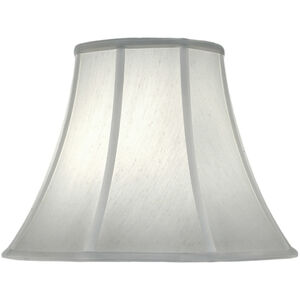
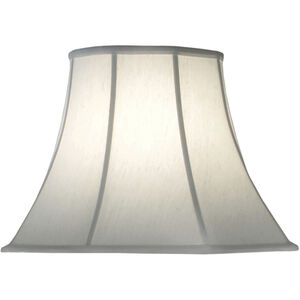
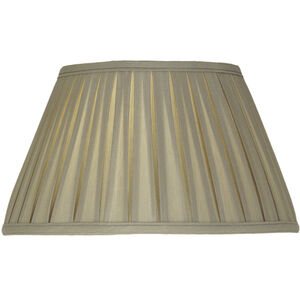
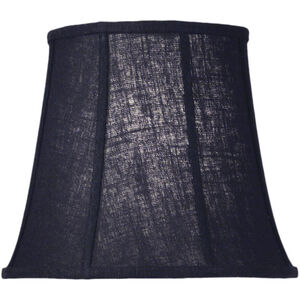


Stiffel

Stiffel


Stiffel



Stiffel


Stiffel
Commonly Asked Questions About Wall Lights Lamps what are lampshades made of
Q: What are some common materials used to craft beautiful lampshades?
A: Lampshades are often crafted from a delightful variety of materials! You'll find many made from fabrics like linen, cotton, silk, or burlap, which bring texture and warmth to a room. Others are made from paper, parchment, or even natural materials like rattan and bamboo, offering unique styles and light diffusion.
Q: How does the material of a lampshade affect the light it produces?
A: The material significantly influences the light's character! Opaque materials direct light downwards, creating a focused pool, while translucent materials gently diffuse light, creating a soft, ambient glow. The choice of material helps tailor the lighting to your desired atmosphere.
Q: Are there any durable materials used in lampshade construction that help them last?
A: Absolutely! Many lampshades are constructed with durable materials like sturdy fabrics laminated to rigid backings, ensuring they maintain their shape and resist wear and tear. Metal frames also provide excellent support and longevity, so you can enjoy your lampshade for years to come.
Q: Can lampshades be made from sustainable or eco-friendly materials?
A: Yes, indeed! There's a growing trend toward using sustainable materials like recycled paper, organic cotton, and even repurposed fabrics in lampshade design. These eco-conscious options allow you to illuminate your space beautifully while minimizing your environmental impact.
Q: What role does the lampshade's material play in complementing my home's decor?
A: The lampshade's material is key to tying your decor together! Whether you're aiming for a modern, minimalist look with sleek linen, a rustic vibe with textured burlap, or a touch of elegance with shimmering silk, the material adds a finishing touch that enhances the overall aesthetic of your room.