Discover the Mesmerizing Lava Lamp Origin | Lighting New York
Unraveling the Lava Lamp Origin: A Journey Through Time
The Swinging Sixties and a Waxy Revelation
The lava lamp. A symbol of groovy vibes, psychedelic art, and a simpler time. But where did this mesmerizing invention come from? The story begins in 1960s Britain, a time of cultural revolution and innovative design. Our hero, if you will, is a man named Edward Craven Walker. He wasn’t trying to create a pop culture icon; he was simply intrigued by a homemade egg timer he saw in a pub. This makeshift timer, fashioned from a cocktail shaker, inspired him to experiment with immiscible liquids and heat.
Walker, the inventor, tinkered tirelessly in his workshop. He faced a problem: how to get the wax to move in a visually appealing way, without clumping or sticking? The solution involved a carefully balanced combination of wax, carbon tetrachloride, and other secret ingredients. The result? A lamp that captivated the world with its slow, hypnotic dance.
Crestworth and the Dawn of the Astro Lamp
Walker's company, initially named Crestworth, launched the first lava lamp, originally called the "Astro Lamp." It quickly became a sensation, adorning homes, offices, and even movie sets. The design, with its sleek lines and vibrant colors, perfectly captured the spirit of the era. Early models, like the Model 900, are highly sought after by collectors today.
Mathmos Takes the Torch: A Legacy Continues
While the Astro Lamp took the world by storm, the story takes another turn. In the late 1980s, Walker partnered with a young entrepreneur named Cressida Granger. Together, they rebranded the company as Mathmos, a name inspired by the cult sci-fi film Barbarella. Mathmos continued to innovate, introducing new designs and colors, while staying true to the original vision.
The brand championed modern design and continues to manufacture lamps to this day. They offer a wide range of colors, from classic red and orange to more contemporary purple, blue, green, and yellow options. Finding the right color to complement your space has never been easier.
Keeping the Lava Flowing: Maintenance and More
Like any beloved item, lava lamps require a bit of care to keep them in top condition. Here are a few tips for ensuring yours continues to mesmerize:
- Bulb Replacement: The correct wattage is crucial for proper operation. Using the wrong bulb can prevent the wax from flowing correctly. Check the manufacturer's specifications for your specific model.
- Troubleshooting Cloudy Liquid: Sometimes, the liquid inside the lamp can become cloudy. This can be caused by a number of factors, including overheating or agitation. Allow the lamp to cool completely before moving it.
- Cleaning: Gently wipe the glass with a soft cloth to remove dust and fingerprints. Avoid using harsh chemicals or abrasive cleaners.
Safety First: A Word of Caution
While lava lamps are generally safe, it's important to follow a few basic safety precautions. Never leave a lamp unattended for extended periods of time. Keep it out of reach of children and pets. And never attempt to open or tamper with the lamp's sealed container.
Value and Worth: More Than Just a Lamp
The value of vintage lamps can vary greatly depending on their condition, rarity, and age. Original Crestworth models, particularly those from the 1960s, can fetch a premium price among collectors. Even modern lamps can hold sentimental value, bringing a touch of nostalgia and retro charm to any space. You can also find replacement parts and fluid recipes to keep your lamp in tip top shape.

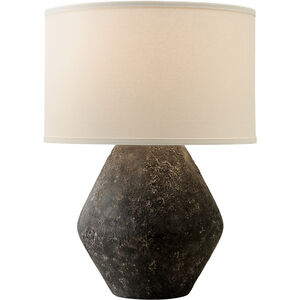

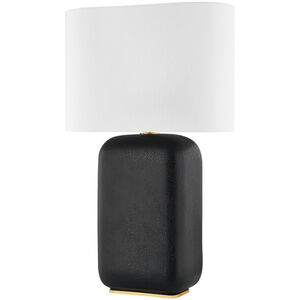

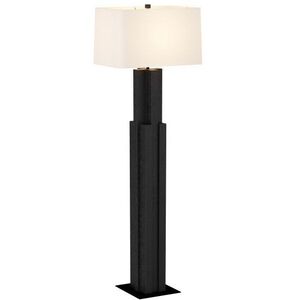
View all Wall Lights Lamps lava lamp origin
Commonly Asked Questions About Wall Lights Lamps lava lamp origin
Q: What was the inspiration behind the creation of the original lava lamp?
A: The brilliant inventor, Edward Craven Walker, was inspired by an egg timer he saw in a pub! He envisioned a more captivating and artistic way to bring mesmerizing movement and ambient light into homes, leading to the iconic lava lamp we know and love.
Q: Where were the very first lava lamps manufactured?
A: The initial production of these fantastic lamps took place in Poole, Dorset, in the United Kingdom. This charming coastal town became the birthplace of a design classic that would soon captivate the world.
Q: What makes the original lava lamp design so enduring and popular?
A: The timeless appeal lies in its simple yet fascinating design. The gentle, flowing motion of the wax creates a soothing and captivating display, offering a touch of retro charm and modern artistry that complements any room.
Q: How has the original lava lamp design evolved since its creation?
A: While the core principle remains the same – the mesmerizing dance of wax and light – the lava lamp has seen exciting variations in color combinations, sizes, and base designs. This allows you to find the perfect lava lamp to express your individual style and enhance your living space.
Q: What is the legacy of the original lava lamp design today?
A: The lava lamp has become a symbol of groovy style and innovative design, continuing to bring joy and relaxation to homes around the globe. It stands as a testament to the power of creative thinking and the enduring appeal of a truly unique lighting experience.