How To Measure Lampshade Size: A Simple Guide | Lighting New York
How To Measure For Lampshade Sizes: Your Complete Guide
The Problem: Lampshade Sizing Can Be Tricky
Choosing the right lampshade can feel like navigating a maze. You want something that complements your lamp, provides the right amount of light, and fits seamlessly into your décor. But with so many sizes and styles available, it's easy to feel overwhelmed. Many people face the frustration of buying a lampshade online only to find it's too big, too small, or simply doesn't look right. This can lead to wasted time, money, and a less-than-perfect lighting setup.
Our Solution: A Step-by-Step Guide to Perfect Lampshade Sizing
Lighting New York understands your frustration. That's why we've created this comprehensive guide to help you confidently measure for lampshades. We'll walk you through the process, ensuring you choose the perfect size and style for any lamp, from table lamps to chandeliers. This guide will empower you to select the ideal shade, enhancing both the functionality and aesthetics of your lighting.
Understanding Basic Lampshade Terminology
Before we dive into the measuring process, let's clarify some common terms:
- Diameter: The width of the lampshade, typically measured at the widest point (bottom for most shades).
- Height: The vertical distance from the top to the bottom of the lampshade.
- Fitter: The mechanism that attaches the lampshade to the lamp. Common fitter types include spider, clip-on, and uno.
- Harp: A wire support system that sits between the lamp base and the lampshade, often used with spider fitters.
How to Measure for Different Types of Lamps
The method for measuring lampshade size varies slightly depending on the type of lamp you have. Here's a breakdown for common lamp styles:
Table Lamps: For table lamps, a general rule of thumb is that the lampshade height should be about two-thirds of the lamp base height. The width (diameter) of the shade should be approximately equal to the height of the lamp base. To measure lampshade size for table lamp, measure the height of the lamp base, and select a shade that is roughly 2/3rds that height. A buffet lamp may require a taller shade for more visual impact.
Floor Lamps: Floor lamps typically require larger lampshades than table lamps. A good starting point is to choose a shade with a diameter that is roughly one-third of the floor lamp's overall height. When considering how to measure lampshade size for floor lamp, also take into account the placement of the bulb. The shade should adequately cover the bulb when viewed from a seated position.
Chandeliers & Pendant Lights: Chandeliers and pendant lights often use smaller, more decorative lampshades. To measure lampshade size for chandelier, consider the overall size of the fixture. Smaller shades are generally preferred for chandeliers, while pendant lights can accommodate slightly larger shades. The shape of the shade should complement the style of the fixture.
Choosing the Right Lampshade Shape & Style
Beyond size, the shape and style of your lampshade play a crucial role in the overall aesthetic. Here are some popular options:
Drum Shades: Drum shades offer a modern, minimalist look. They are cylindrical in shape and work well with contemporary lamps. When considering how to measure lampshade size for drum shade, focus on the diameter and height, ensuring they are proportional to the lamp base.
Empire Shades: Empire shades are wider at the bottom than at the top, creating a classic and elegant silhouette. They are a versatile choice for both traditional and transitional décor. If you are wanting to know how to measure lampshade size for empire shade, note that the slope of the shade can greatly affect the overall appearance.
Round Shades: Round shades provide a soft, diffused light and work well in bedrooms and living rooms. They can be used with a variety of lamp styles, from antique lamps to modern lamps.
Square & Rectangular Shades: Square and rectangular shades offer a more structured and contemporary look. They are often used in modern living rooms and dining rooms. When choosing how to measure lampshade size for square shade or how to measure lampshade size for rectangular shade, pay close attention to the proportions of the lamp base.
Other Important Considerations
Fitter Type: Ensure the lampshade fitter is compatible with your lamp. Common fitter types include spider (which requires a harp), clip-on, and uno. If you need to measure lampshade size with harp, be sure to account for the harp height when determining the overall shade height.
Material & Color: The material and color of the lampshade can significantly impact the light output. Lighter materials like linen, silk, or cream shades will allow more light to pass through, while darker materials like burlap or black shades will create a more focused pool of light. Consider how to measure lampshade size linen versus how to measure lampshade size silk, and how the material will affect the light.
Room Décor: Choose a lampshade that complements your existing décor. Consider the style, color palette, and overall ambiance of the room. For bedroom lighting, softer shades in cream or white may be preferable. For living room lighting, you may want to experiment with bolder colors and patterns. How to measure lampshade size bedroom might differ from how to measure lampshade size living room based on the size of the room and the function of the lamp.
Consider the Bulb: The lampshade should adequately cover the light bulb. If you are replacing an existing shade, consider the size of the old shade. If you're starting from scratch, use this guide as a starting point. The best way to measure lampshade size replacement is to start with the old shade as a guide.
By following these steps and considering these factors, you can confidently measure for lampshades and find the perfect fit for your lamps. Lighting New York offers a wide selection of lampshades in various sizes, shapes, and styles to suit your needs.
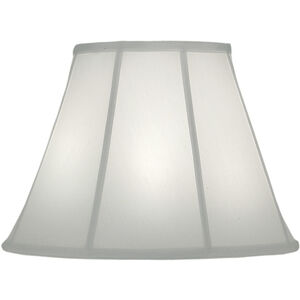
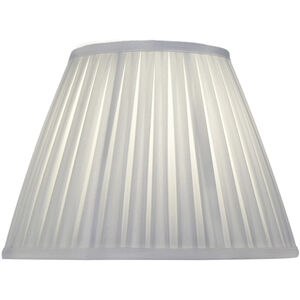
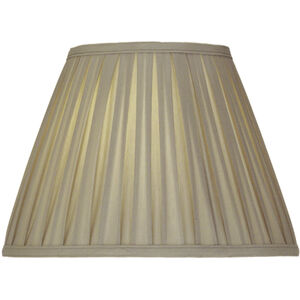
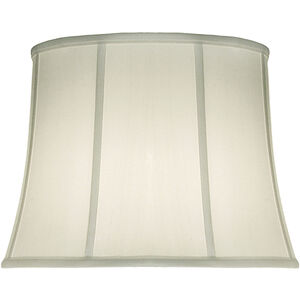
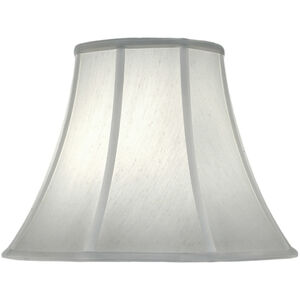
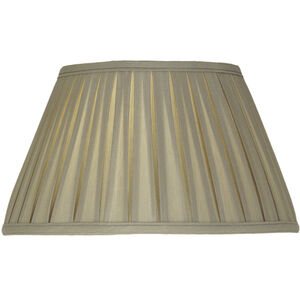
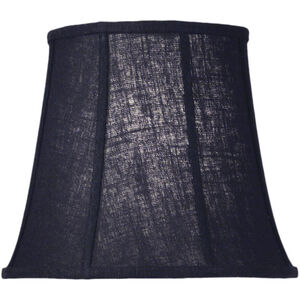
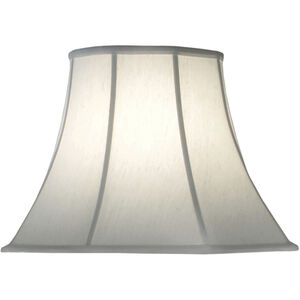


Stiffel

Stiffel


Stiffel



Stiffel


Stiffel
Commonly Asked Questions About Wall Lights Lamps how to measure for lampshade sizes
Q: How can I determine the ideal lampshade height to achieve a balanced look for my lamp?
A: Finding the perfect lampshade height is easier than you might think! A general guideline is that the lampshade height should be approximately two-thirds to three-quarters of the height of the lamp base. This proportion creates a visually appealing and harmonious aesthetic, making your lamp a true focal point.
Q: What's the best way to measure my existing lamp to ensure my new lampshade fits perfectly?
A: Measuring your lamp is a simple step towards achieving a flawless fit! First, measure the height of your lamp base from its bottom to the top of the socket. This measurement helps you determine the ideal lampshade height. Then, consider the width of your lamp base at its widest point; the lampshade width should generally be about the same as this measurement for a balanced appearance.
Q: How does the shape of my lamp base influence the best lampshade shape and size to choose?
A: Selecting the right lampshade shape can beautifully enhance your lamp's overall design! If you have a round lamp base, consider a round or slightly tapered lampshade. For a square or rectangular lamp base, a square or rectangular lampshade can create a cohesive look. Experimenting with shapes can be fun and transform your lamp into a stylish statement piece!
Q: Is there a simple trick to figuring out the right lampshade width for optimal light distribution in my room?
A: Absolutely! A wider lampshade will generally distribute more light throughout the room, creating a brighter and more inviting atmosphere. A narrower lampshade will focus the light more directly, creating a cozy and intimate ambiance. Consider the size of your room and the desired lighting effect when choosing your lampshade width to achieve the perfect glow.
Q: What role does the lampshade fitter play in ensuring the lampshade sits correctly on my lamp?
A: The lampshade fitter is key to a secure and stylish fit! The most common types are spider fitters (which sit on top of the harp) and uno fitters (which screw directly onto the socket). Knowing which type your lamp requires ensures your new lampshade will sit perfectly and securely, providing both beauty and functionality.