Change Your Lampshade Color: Easy DIY Guide | Lighting New York
Refresh Your Space: How To Change Color Of Lampshade
Revitalize Your Lighting: A Guide to Changing Lampshade Colors
Is your lampshade looking a little tired? Does it no longer match your décor? Don't rush out to buy a new one! Changing the color of your lampshade is a simple and affordable DIY project that can breathe new life into your lighting and your entire room. This guide will walk you through different methods, from painting to fabric changes, so you can achieve the perfect look.
We all face the frustration of outdated or mismatched lampshades. They can throw off the entire vibe of a room, making it feel incomplete or just plain wrong. The good news is, you don't have to live with it! You have the power to transform that lampshade and create a lighting fixture that perfectly complements your style.
Methods for a Lampshade Makeover
There are several ways to change the color of a lampshade, each with its own advantages and considerations. The best method for you will depend on the material of your lampshade, the desired effect, and your comfort level with DIY projects.
Painting Your Lampshade
Painting is a popular option, especially for hard-backed lampshades. It's a relatively quick and easy way to achieve a solid color change. Using spray paint for a lampshade offers a smooth, even finish. Consider using paints specifically designed for fabric or lampshades to ensure proper adhesion and prevent cracking.
For a modern look, consider a bold, saturated color. If you're aiming to match existing decor, bring a fabric swatch or paint chip to the store to find the perfect shade.
Fabric Transformations
Changing the fabric of your lampshade offers endless possibilities for texture, pattern, and color. This method is ideal for achieving a more customized and high-end look. How to change color of lampshade fabric? You can completely replace the existing fabric or add decorative overlays.
Consider using different fabrics to achieve the desired look. Burlap can add a rustic touch, while silk offers a touch of elegance. For a pleated lampshade, you may want to consult a professional for fabric replacement.
Dyeing Your Lampshade
Dyeing is a great option for natural fabrics like cotton or linen. This method allows the color to penetrate the fabric, resulting in a more even and natural-looking finish.
How to change color of lampshade with dye? This method works best on lighter-colored lampshades, especially how to change color of white lampshade, as it's difficult to dye a dark fabric a lighter color. Experiment with ombre effects for a trendy and unique look.
Choosing the Right Color for Your Lampshade
The color of your lampshade can significantly impact the ambiance of your room. Consider the existing color palette and the overall mood you want to create.
- Living Room: In a living room, you might opt for warm, inviting colors like soft gold or teal to create a cozy atmosphere.
- Bedroom: For the bedroom, consider calming and restful colors like muted blues or greens.
- Matching Decor: How to change color of lampshade to match decor? Take inspiration from your existing furniture, artwork, and accessories.
Remember that darker lampshades will absorb more light, while lighter lampshades will allow more light to pass through. Also how to change color of linen lampshade, or even how to change color of drum lampshade will have different effects on the room's lighting.
Special Considerations
Changing the color of a black lampshade can be tricky, as it requires multiple coats of paint or a very dark dye. For a lampshade ombre effect, start with a lighter color at the top and gradually darken towards the bottom.
Consider the shape of your lampshade when choosing a color. A drum lampshade might look great in a bold, geometric pattern, while a more traditional lampshade might benefit from a classic solid color.
Ultimately, changing the color of your lampshade is a fun and rewarding project that allows you to personalize your lighting and transform your space. With a little creativity and the right materials, you can create a lampshade that perfectly reflects your style and enhances your home.
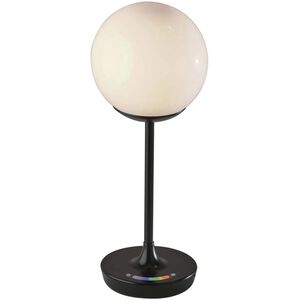
Dainolite
Dainolite
Dainolite
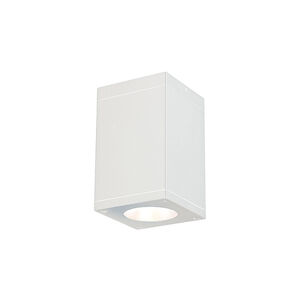
WAC Lighting
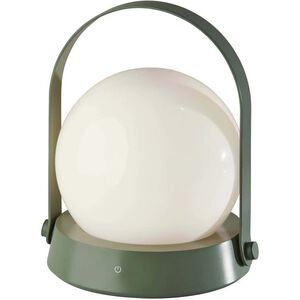

DALS Lighting
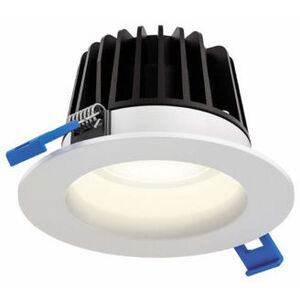
DALS Lighting
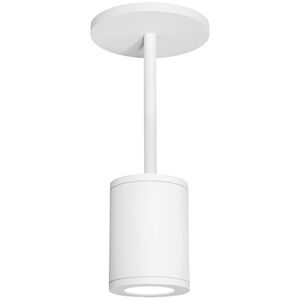

DALS Lighting
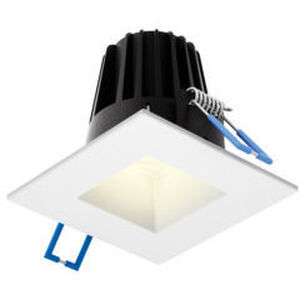
DALS Lighting

WAC Lighting
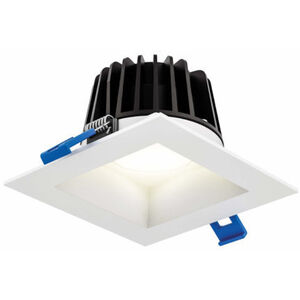
DALS Lighting
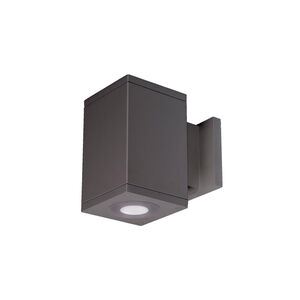
WAC Lighting

DALS Lighting

DALS Lighting

DALS Lighting

DALS Lighting

DALS Lighting

DALS Lighting
WAC Lighting

DALS Lighting

DALS Lighting
Commonly Asked Questions About Wall Lights Lamps how to change color of lampshade
Q: Can changing the color of my lampshade really transform the look of a room?
A: Absolutely! A new lampshade color is one of the easiest and most effective ways to refresh your décor. It's like giving your room an instant makeover with a simple swap! You'll be amazed at the difference it makes.
Q: What are some creative ways I can change the color of my lampshade?
A: There are many exciting options! You could try using fabric dye, paint specifically designed for fabric, or even wrapping the shade in a beautiful new material. The possibilities are endless, allowing you to truly personalize your lighting and showcase your unique style.
Q: Is it possible to change the color of a lampshade to better match my existing furniture and color scheme?
A: Definitely! Changing the color of your lampshade is a fantastic way to tie your room together. Coordinating your lighting with your other furnishings creates a harmonious and polished look that enhances the overall ambiance of your space.
Q: I'm not very experienced with DIY projects. Is changing the color of a lampshade something a beginner can accomplish?
A: Many methods for changing a lampshade's color are quite simple! There are techniques that require minimal skill and yield beautiful results. With a little research and patience, you can achieve a stunning transformation, and feel proud of your accomplishment.
Q: If I want to change the color of a lampshade on a hardwired fixture, is there anything I should keep in mind?
A: When working with any hardwired lighting fixture, safety is paramount! If you're not completely comfortable disconnecting and reconnecting the fixture, we highly recommend consulting a qualified, professional electrician. They can ensure the process is done safely and correctly, giving you peace of mind.