How Lamps Work: A Simple Guide to Lighting Your Home
Decoding Illumination: Understanding How Lamps Work
How Lamps Work: A Bright Idea
We all use lamps every day, but have you ever stopped to think about how they actually work? It seems simple enough – flip a switch, and light appears. But there's a bit more to it than that. This guide will break down the basics of lamp functionality, helping you understand the science behind your lighting.
The Basic Components
At its core, a lamp is a simple electrical circuit. Here's what you'll find:
- Power Source: This is usually your wall outlet, providing the electricity needed to power the lamp.
- Wiring: Wires carry the electricity from the power source to the bulb and back, completing the circuit.
- Switch: The switch controls the flow of electricity. When it's "on," the circuit is complete, and electricity flows. When it's "off," the circuit is broken, and the light goes out.
- Bulb: The bulb is the heart of the lamp, converting electrical energy into light.
- Lamp Base/Body: This provides structural support and houses the wiring and other components.
Different Lamps, Same Basic Principle
While the basic principle remains the same, different types of lamps may have slight variations in their design and functionality. Let's look at a few examples:
- Bedside Table Lamps: These are often smaller and feature a simple on/off switch or a touch sensor.
- Floor Lamps: Floor lamps may incorporate features like adjustable height or arc style designs to provide light where you need it most.
- Desk Lamps: These lamps are designed for focused task lighting and may have adjustable gooseneck style arms for directing the light.
- Chandelier: Despite their complex appearance, chandeliers operate on the same basic principle, just with multiple bulbs.
- Lamps with USB Ports: These lamps have an added USB port for charging devices, but the core lighting mechanism remains the same.
Understanding Dimmer Switches and Three-Way Switches
Some lamps come with dimmer switches or three-way switches, offering more control over the brightness of the light.
- Dimmer Switches: These switches control the amount of electricity flowing to the bulb, allowing you to adjust the brightness. They work by reducing the voltage supplied to the bulb.
- Three-Way Switches: These switches work with special three-way bulbs that have two filaments. The switch allows you to choose between one filament, the other filament, or both, providing three different levels of brightness.
Bulbs: The Source of Light
The type of bulb used in a lamp significantly impacts the light's quality and energy efficiency. Here's a quick rundown of common bulb types:
- Incandescent Bulbs: These are the traditional bulbs, known for their warm light. However, they are inefficient, converting most of their energy into heat.
- Halogen Bulbs: Halogen bulbs are more efficient than incandescent bulbs, producing a brighter, whiter light.
- LED Bulbs: LED (Light Emitting Diode) bulbs are the most energy-efficient option, lasting much longer and using significantly less energy than incandescent or halogen bulbs. They are available in various color temperatures, from warm to cool.
Finishes and Styles
Lamps come in a wide range of styles and finishes to complement any décor.
- Metal Bases: Brass and silver bases offer a classic and elegant look.
- Wood Bases: Wood bases provide a warm and natural feel, perfect for farmhouse or rustic styles.
- Ceramic Bases: Ceramic bases allow for intricate designs and a variety of colors.
- Glass Shades: Glass shades can diffuse light softly, creating a warm ambiance.
- Fabric Shades: Fabric shades add texture and can complement a variety of décor styles.
- Black and White Shades: These shades offer a classic and versatile look.
Styles vary greatly, from antique and Tiffany styles to modern and industrial designs. The right lamp can add both functionality and style to any room.
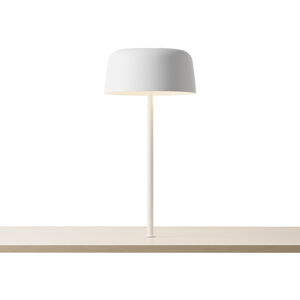
Koncept
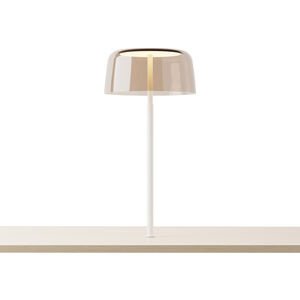
Koncept

Koncept


Koncept

Koncept
Koncept
Koncept

Koncept
Koncept
Koncept
Koncept

Koncept
View all Wall Lights Lamps how lamps work
Commonly Asked Questions About Wall Lights Lamps how lamps work
Q: How do lamps actually produce light?
A: Lamps create light through a fascinating process! Typically, electricity flows through a filament or a gas, causing it to heat up or become excited. This excitation releases energy in the form of photons, which we perceive as beautiful, radiant light. The specific process varies depending on the type of lamp, but the result is always a wonderful illumination of your space.
Q: What's the role of electricity in a lamp’s operation?
A: Electricity is the lifeblood of a lamp! It provides the necessary power to initiate the light-generating process. Think of it as the fuel that allows your lamp to shine brightly and create a warm, inviting atmosphere in your home.
Q: What makes different types of lamps produce different colors of light?
A: The delightful variety in light color comes from the materials used within the lamp. Different filaments or gases emit photons of varying wavelengths when energized. These different wavelengths correspond to different colors, allowing you to choose the perfect ambiance for any room!
Q: What is the purpose of the glass or other material surrounding the light source in a lamp?
A: The material surrounding the light source, like the glass in a bulb or the shade on a fixture, plays a crucial role in shaping and diffusing the light. It helps to create a softer, more even glow, preventing harsh glare and enhancing the overall aesthetic appeal of the lamp.
Q: What is the process of turning a lamp on and off?
A: Turning a lamp on and off is a simple yet elegant process! The switch controls the flow of electricity to the lamp. When you flip the switch on, it completes the circuit, allowing electricity to flow and the lamp to illuminate. When you flip it off, it breaks the circuit, stopping the flow and turning off the light. It's a convenient way to control the ambiance and energy usage in your home.