Grow Light Bulbs for Regular Lamps | Lighting New York
Illuminate Your Indoor Garden: Choosing the Right Grow Light Bulb For Regular Lamp
The Problem: Your Plants Need Light!
We all love adding a touch of nature to our homes with beautiful indoor plants. But what happens when natural light is scarce? Plants need light to thrive, and insufficient sunlight can lead to stunted growth, yellowing leaves, and an overall unhealthy appearance. Many of us face this problem, especially during the darker months or in homes with limited window space. It's frustrating to watch your beloved plants struggle, knowing they just need a little more sunshine.
The Solution: Grow Lights for Regular Lamps
Fortunately, there's a simple solution: using a grow light bulb for a regular lamp! These specialized bulbs provide the necessary spectrum of light that plants need to perform photosynthesis, even when natural light is lacking. You don't need to invest in expensive, bulky grow light setups. Simply swap out a standard bulb in your existing lamp with a grow light bulb, and you can provide your plants with the supplemental light they need to flourish. Think of it as giving your plants a personal sunbeam, tailored to their specific needs.
Choosing the Right Bulb: Key Considerations
Selecting the right grow light bulb for your regular lamp is crucial for optimal plant growth. There are several factors to consider, including the type of plant you're growing, the amount of supplemental light required, and the desired aesthetic of your living space.
Different Types of Grow Light Bulbs
The market offers a variety of grow light bulbs, each with its own unique characteristics and benefits. Understanding these differences will help you make an informed decision and choose the best option for your plants and your home.
LED Grow Lights: LED grow lights are energy-efficient and long-lasting. They produce very little heat, making them ideal for use in close proximity to plants. Many LED options are also dimmable, allowing you to customize the light intensity based on your plants' needs. Look for full spectrum LED options to provide a balanced light spectrum for optimal growth.
Full Spectrum Grow Lights: Full spectrum grow lights mimic natural sunlight, providing plants with the complete range of light wavelengths they need for healthy growth. These bulbs are particularly beneficial for plants that require a lot of light, such as succulents and flowering plants.
Warm White and Daylight Grow Lights: For a more natural-looking light, consider warm white or daylight grow light bulbs. These bulbs provide a softer, more ambient light that blends seamlessly with your existing home décor. They are a great option for plants in living rooms or other areas where you want to maintain a comfortable and inviting atmosphere.
Specialty Grow Lights: There are also specialty grow lights available for specific plant types or purposes. For example, some bulbs are designed to promote flowering, while others are optimized for vegetative growth.
Finding the Perfect Fit for Your Home
Finding the right bulb isn't just about plant health; it's also about seamlessly integrating the grow light into your home's aesthetic.
Bulb Size and Shape: Consider the size and shape of the bulb when selecting a grow light for your regular lamp. A19 and E26 bulbs are standard sizes that fit most lamps. Vintage and Edison style bulbs can add a touch of character to your space. Small grow light bulbs are perfect for desk lamps or smaller fixtures.
Light Color and Intensity: Choose a light color and intensity that complements your existing décor and provides the appropriate amount of light for your plants. A daylight bulb will provide a bright, energizing light, while a warm white bulb will create a more cozy and relaxing atmosphere. Dimmable options offer maximum flexibility.
Energy Efficiency: Opt for energy-efficient LED grow lights to save money on your electricity bill and reduce your environmental impact.
Additional Features: Some grow light bulbs come with additional features, such as reflectors, timers, and low heat output. Reflectors help to direct light towards your plants, while timers allow you to automate the lighting schedule. Low heat bulbs are safer for use in enclosed spaces.
Adding a grow light to your regular lamp is a simple and effective way to provide your indoor plants with the light they need to thrive. By considering the type of plant you're growing, the desired light spectrum, and the aesthetic of your home, you can choose the perfect bulb to create a healthy and beautiful indoor garden.
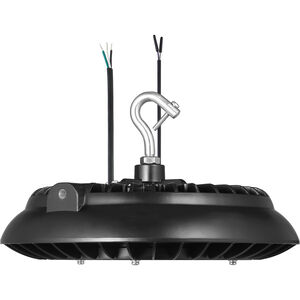
Designers Fountain
Commonly Asked Questions About Wall Lights Lamps grow light bulb for regular lamp
Q: Can I really use a grow light bulb in my existing table lamp?
A: Absolutely! Grow light bulbs designed for regular lamps are made to fit standard sockets, allowing you to easily transform your favorite lamp into a plant-boosting powerhouse! It's a fantastic way to add supplemental light to your indoor garden without needing specialized equipment.
Q: Will a grow light bulb in a regular lamp actually help my plants thrive?
A: Yes, it will! These bulbs are specifically designed to provide the wavelengths of light that plants need for photosynthesis, helping them to grow stronger, healthier, and more vibrant, even in areas with limited natural sunlight.
Q: Are grow light bulbs for regular lamps safe to use around my family and pets?
A: Yes, they are! These bulbs are designed for home use and emit light that is perfectly safe for both people and animals. You can enjoy the benefits of enhanced plant growth without any worries.
Q: Will using a grow light bulb in my regular lamp affect the look of my room?
A: Not at all! Many grow light bulbs are designed to emit a natural-looking light that blends seamlessly with your existing décor. You can nurture your plants without sacrificing the ambiance of your living space.
Q: What kind of plants benefit most from a grow light bulb in a regular lamp?
A: Many different types of plants can benefit! Seedlings, herbs, leafy greens, and even some flowering plants will appreciate the extra boost of light, especially during the darker months of the year. You'll be amazed at how much healthier and happier your plants become!