Antique Lamp Wiring: Kits, Repair & Replacement | Lighting New York
Illuminate the Past: A Guide to Restoring Antique Lamps
Restoring the Charm of Antique Lamps: A Comprehensive Guide
Antique lamps hold a special place in our hearts and homes. Their timeless designs and warm glow evoke a sense of nostalgia and elegance. However, time can take its toll, and the original wiring might become brittle, frayed, or simply unsafe. If you are experiencing a problem with your lamp, you are the hero of this story. The problem is that the lamp doesn't work. We have a plan to help you. Rewiring an antique lamp is a rewarding project that allows you to preserve its beauty while ensuring its safe and continued use. This guide will walk you through the essentials, from identifying the right parts to understanding the wiring process.
Understanding the Challenges
Before diving in, it's crucial to understand the potential pitfalls of working with older lamps. Original wiring often lacks modern safety features, and insulation can deteriorate over time. Attempting to repair or replace wiring without proper knowledge can be dangerous. That's where Lighting New York comes in, providing the resources and expertise to help you navigate these challenges safely and effectively.
Choosing the Right Supplies
Selecting the appropriate wiring and components is essential for a successful restoration. Here's a breakdown of some key considerations:
Cloth-Covered Wire: For a truly authentic look, consider cloth-covered wire. It replicates the appearance of vintage wiring while meeting modern safety standards. Available in various colors like black, brown, and gold, it allows you to match the original aesthetic of your lamp.
UL Listed Wire: Always opt for UL listed wiring to ensure it meets stringent safety requirements. This certification guarantees that the wire has been tested and approved for electrical safety.
Sockets and Switches: Replacing worn-out sockets and switches is often necessary during rewiring. Choose components that complement the lamp's style and finish. Options include brass, copper, nickel, and various colors to match your lamp's aesthetic.
Wiring Kits: For beginners, consider using a complete wiring kit. These kits typically include all the necessary components, such as wire, sockets, plugs, and connectors, along with detailed instructions.
Step-by-Step Rewiring: A General Overview
While specific steps may vary depending on the lamp's design, here's a general overview of the rewiring process:
- Safety First: Always disconnect the lamp from the power source before beginning any work.
- Disassembly: Carefully disassemble the lamp, taking note of how the original wiring is routed.
- Removing Old Wiring: Gently remove the old wiring, being careful not to damage the lamp's body or components.
- Installing New Wiring: Thread the new wire through the lamp's body, following the original routing.
- Connecting the Socket: Connect the wire to the socket terminals, ensuring proper polarity (typically, the ribbed wire connects to the neutral terminal, and the smooth wire connects to the hot terminal).
- Connecting the Plug: Attach a new plug to the end of the wire, again ensuring correct polarity.
- Reassembly: Carefully reassemble the lamp, making sure all connections are secure and the wiring is neatly tucked away.
- Testing: Before using the lamp, test it with a multimeter to ensure there are no short circuits or wiring errors.
Popular Finishes and Styles
When selecting wiring and components, consider the overall style and finish of your antique lamp. Here are some popular options:
Brass: A classic choice that complements traditional and vintage-style lamps.
Copper: Adds a touch of warmth and sophistication.
Nickel: Provides a sleek and modern look.
Black and White: Versatile options that work well with various lamp styles.
Braided Wire: Adds a decorative touch and enhances the vintage aesthetic.
DIY vs. Professional Rewiring
While rewiring an antique lamp can be a rewarding DIY project, it's important to assess your skills and comfort level. If you're unsure about any aspect of the process, it's best to consult a qualified electrician or lamp repair specialist. They can ensure the job is done safely and correctly, preserving the value and functionality of your antique lamp.


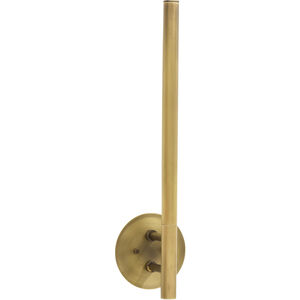
House of Troy
Commonly Asked Questions About Wall Lights Lamps antique lamp wiring
Q: Why is it important to address the wiring in my antique lamp?
A: Updating the wiring in your antique lamp allows you to confidently enjoy its beauty and functionality for years to come! It ensures your cherished piece can safely illuminate your space.
Q: What are some of the benefits of rewiring my antique lamp?
A: Rewiring your antique lamp gives you the opportunity to preserve its original charm while ensuring it can safely brighten your home. It's a wonderful way to blend vintage aesthetics with modern reliability.
Q: Can I update the wiring in my antique lamp to accommodate modern lighting options?
A: Absolutely! Modernizing the wiring allows you to use a variety of bulbs, giving you more control over the ambiance and efficiency of your antique lamp.
Q: I'm considering restoring an antique lamp. What's special about the wiring process for these older pieces?
A: Restoring the wiring in an antique lamp is a chance to bring a piece of history back to life! It’s a rewarding process that allows you to appreciate the craftsmanship of the past while preparing it for the future. For any electrical work, it's always a great idea to consult with a qualified electrician.
Q: What can I expect when having my antique lamp rewired?
A: You can look forward to having a beautifully restored lamp that’s ready to shine! Having it professionally rewired ensures it will be a reliable and elegant addition to your home décor for many years.