Power Supply Transformers: Find the Right Fit | Lighting New York
Choosing the Right Power Supply Transformer for Your Lighting Needs
Understanding Your Lighting Power Needs
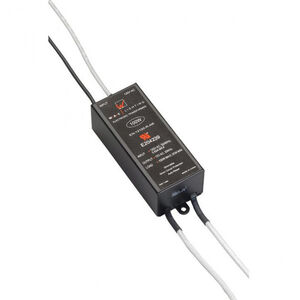
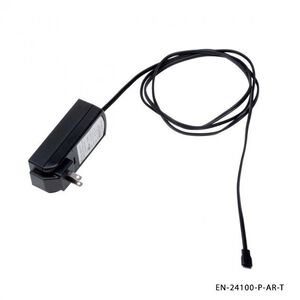
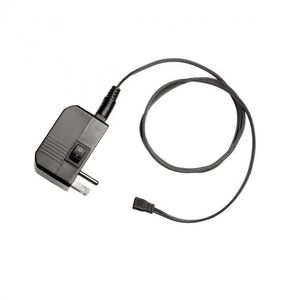
Choosing the right lighting can transform a space, but powering those lights requires careful consideration. A crucial component in many lighting systems is the, which ensures your lights receive the correct voltage to operate safely and efficiently. This is especially important for low-voltage lighting applications, such as LED strip lights, landscape lighting, and under-cabinet lighting. Without the correct power, your lights could flicker, dim, or even fail prematurely. Therefore, understanding the different types and applications is essential for any homeowner, interior designer, or contractor.
AC to DC Conversion
Many lighting systems, particularly LED-based ones, require direct current (DC) power, while standard household electricity is alternating current (AC). A converts the higher voltage AC power from your home's electrical system (typically 120V or 220V) into the lower voltage DC power that your lights need (often 12V or 24V). This conversion is critical for the safety and longevity of your lighting installation.
Selecting the Right Type
Choosing the correct type depends on several factors, including the type of lighting you are using, the environment in which it will be installed, and whether you need dimming capabilities. Here's a look at some common types:
- 12V and 24V Options: These are the most common voltages for low-voltage lighting. 12V are often used for smaller installations, while 24V are better suited for longer runs of LED strip lights to minimize voltage drop.
- Constant Voltage vs. Constant Current: Constant voltage are designed to provide a stable voltage output, regardless of the load. Constant current are used for specific types of LEDs that require a regulated current flow. It's crucial to match the type to the requirements of your lights.
- Indoor vs. Outdoor: Outdoor are built to withstand the elements, with waterproof or weather-resistant enclosures. Indoor are typically smaller and designed for dry environments.
- Dimmable Options: If you want to control the brightness of your lights, choose a dimmable . Ensure that it is compatible with your dimmer switch for smooth and flicker-free dimming.
Applications and Use Cases
The versatility of lighting means that are used in a wide array of applications, each with unique requirements.
- LED Strip Lights: These are popular for accent lighting, under-cabinet lighting, and creating ambient lighting effects. A is essential to convert the household voltage to the low voltage required by the LED strip.
- Landscape Lighting: Outdoor lighting enhances the beauty and security of your property. Waterproof are crucial for powering landscape lights safely in wet conditions.
- Under Cabinet Lighting: Illuminate your countertops with efficient LED lighting. A small is ideal for this application, often enclosed within a junction box for safety.
- Christmas Lights: Low voltage Christmas lights often require a to ensure safe operation.
- Pond and Swimming Pool Lights: These lights require a low voltage and waterproof for safe underwater use.
- Replacements: If your existing is failing, it's important to find a suitable replacement with the same voltage and wattage ratings.
When selecting a , consider the specific needs of your lighting project. For example, if you're installing LED strip lights in your kitchen, you'll need a small, constant voltage that can be easily concealed under the cabinets. If you're lighting a pond, a waterproof is essential for safety.
By carefully considering these factors, you can choose the right to ensure your lighting system operates safely, efficiently, and reliably for years to come.
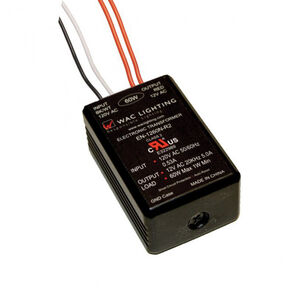
WAC Lighting

WAC Lighting

WAC Lighting

WAC Lighting
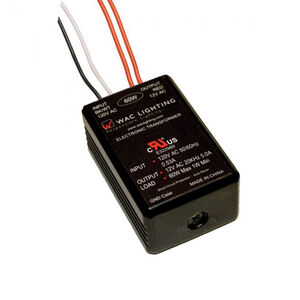
WAC Lighting
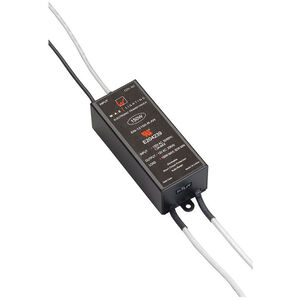
WAC Lighting

WAC Lighting
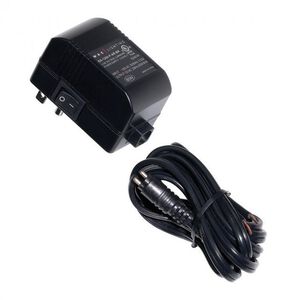
WAC Lighting

WAC Lighting
WAC Lighting

WAC Lighting

WAC Lighting

WAC Lighting

WAC Lighting

WAC Lighting

WAC Lighting

WAC Lighting

WAC Lighting

WAC Lighting

WAC Lighting
WAC Lighting

WAC Lighting
WAC Lighting

WAC Lighting
View all Power Supply Transformer
Commonly Asked Questions About Power Supply Transformer
Q: What exactly *is* a transformer and why might I need one for my lighting setup?
A: A transformer is a helpful device that converts electrical voltage. You might need one if you're using lighting fixtures that require a different voltage than what your home provides. Using the correct transformer ensures your lights operate beautifully and safely, offering optimal performance and longevity.
Q: How does a transformer contribute to the overall ambiance of my home lighting?
A: By providing the precise voltage required by your lighting, a transformer ensures consistent and flicker-free illumination. This translates to a more comfortable and inviting atmosphere, highlighting the beauty of your lighting fixtures and creating the perfect mood in any room.
Q: Are transformers generally considered reliable for long-term use with my lighting?
A: Absolutely! Quality transformers are designed for dependable, long-lasting performance. They are built to provide a stable power supply to your lighting, ensuring many years of reliable service and allowing you to enjoy your lighting without worry.
Q: What are some benefits of using a transformer with low-voltage lighting fixtures?
A: Using a transformer with low-voltage lighting can unlock a world of design possibilities! Low-voltage lighting often allows for more creative and flexible placement options, and a transformer ensures these fixtures receive the ideal power for brilliant and efficient operation.
Q: If I'm unsure about selecting and connecting a transformer, what's the best course of action?
A: For any electrical work, including transformer selection and connection, it's always best to consult with a qualified and professional electrician. They can ensure the transformer is properly sized for your lighting needs and safely installed, giving you peace of mind and allowing you to fully enjoy your updated lighting.